Rain protection is only one part of keeping a tent comfortable. Moisture generated by breathing, perspiration, wet equipment, and temperature changes can create condensation inside a shelter even when no rain is entering. Understanding how a flysheet handles airflow and vapor can therefore help campers make better decisions when selecting lightweight shelter equipment for humid, cold, or variable conditions.
Why Vapor Management Matters in Outdoor Shelters
When people think about keeping a tent dry, the first concern is usually precipitation. Yet a significant amount of moisture can originate from inside the shelter. Every person sleeping in a tent releases water vapor through normal breathing and perspiration, while wet clothing and damp gear can introduce additional moisture into the enclosed environment.
The problem becomes more noticeable when nighttime temperatures fall. Warm, humid air from inside the shelter can meet cooler fabric surfaces. When that air reaches its dew point, water vapor can condense into droplets. This process can occur even during a completely dry night.
For that reason, condensation should not automatically be interpreted as evidence that a flysheet has failed to keep water out. Waterproofing and vapor management address different problems. A flysheet needs to resist external moisture while also supporting enough air movement to prevent excessive humidity from remaining trapped inside the shelter.
How a Flysheet Handles Moisture
The outer flysheet acts as a protective barrier between the inner shelter and the surrounding environment. Its fabric and coating can help prevent rain from reaching the sleeping area, while the space created between shelter layers can support airflow.
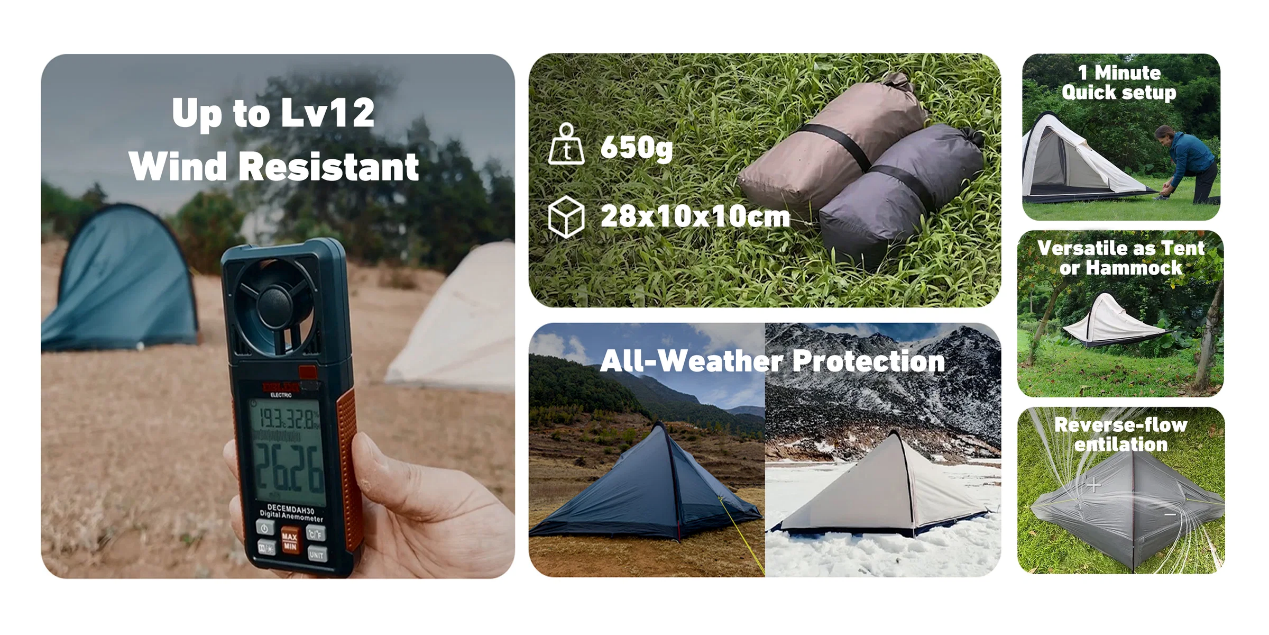
THECATAL’s Wind Anchor 10D Flysheet is engineered as a flexible modular shelter part with multiple practical deployment modes. Its design incorporates ventilation features intended to support airflow and reduce condensation while maintaining protection from wet weather.
A waterproof flysheet should therefore be assessed through more than its ability to stop rain. A completely closed shelter may block external moisture effectively, but it can also limit the movement of humid air. Effective vapor management requires a balance between water resistance and controlled ventilation.
The Effect of Temperature Differences
Temperature plays a major role in condensation. During the evening and early morning, the outer environment can become significantly colder than the air inside the shelter. Occupants continue to generate warmth and humidity, creating different conditions between the inner sleeping area and the outside air.
When this warm moisture-filled air encounters a colder surface, condensation becomes increasingly likely. The effect can be particularly noticeable in cool, humid environments where the air already contains considerable moisture.
A well-positioned flysheet can help create a separation between the occupants and the exterior environment. The outer layer provides a weather barrier, while the air space and ventilation routes give humid air opportunities to move away from the sleeping area.
This does not mean condensation can be eliminated. Outdoor conditions are constantly changing, and some moisture formation is normal. The purpose of ventilation is instead to reduce unnecessary buildup and help maintain a more comfortable interior environment.
Why Ventilation and Waterproofing Must Work Together
Waterproofing and ventilation are sometimes treated as competing features, but a practical shelter needs both. The outer layer must prevent rain from entering while still allowing humid air to escape through appropriate openings.
The Wind Anchor system incorporates a 360° spoiler ventilation approach designed to promote airflow and help manage condensation. Air movement gives moisture a path to leave the shelter rather than allowing humid air to remain concentrated around the sleeping area.
This becomes particularly useful during damp nights, light rain, and cooler weather. Conversely, a shelter may appear to provide maximum protection, but it can also increase the concentration of moisture produced inside. At the same time, leaving too many openings exposed during heavy rain can reduce weather protection. The correct balance depends on wind direction, precipitation, temperature, and campsite conditions.
For campers, this means a tent fly cover should be considered as part of the complete shelter system. The way it is pitched, tensioned, and ventilated can have a direct effect on how moisture moves through the shelter.
How Fabric and Coatings Affect Moisture Control
Fabric selection also influences the overall behavior of a flysheet. Lightweight technical fabrics are often treated with coatings to increase resistance to rain without adding excessive bulk. Ripstop construction can provide additional practical benefits while keeping the material suitable for backpacking applications.
The Wind Anchor 10D Flysheet uses lightweight ripstop nylon with silicone coating. This combination allows the outer layer to remain compact and relatively light while providing a protective barrier against wet weather.
However, a waterproof coating alone does not determine condensation performance. Airflow, spacing between shelter layers, tension, and ventilation openings all influence the internal environment. Two shelters may use similarly weather-resistant materials yet feel quite different inside because their ventilation systems and structural configurations work differently.
That is why experienced campers often consider shelter architecture alongside fabric specifications. Material performance matters, but the way that material is incorporated into the overall system can be just as important.
How Campers Can Improve Vapor Management
Proper setup can make a noticeable difference in condensation control. Campers should pitch the flysheet with suitable tension and avoid blocking designated ventilation areas. Choosing a campsite with natural airflow can also help prevent humid air from remaining trapped around the shelter.
Managing wet equipment is another useful step. Damp clothing, towels, and gear can release additional moisture into the sleeping area, so keeping them in a covered vestibule or another suitable location can reduce the humidity inside the main tent.
During appropriate weather, increasing ventilation can encourage greater air exchange. Even during colder nights, maintaining some airflow may be more effective than completely sealing the shelter. The ideal setup depends on the balance between outside weather and the amount of moisture being produced inside.
Understanding Vapor Management in Modern Flysheet Design
Vapor management is ultimately about controlling how moisture moves through a shelter. Rain protection keeps external water outside, while ventilation provides a route for internal humidity to escape. Temperature differences determine when condensation may occur, and shelter configuration affects how effectively the system responds.
The THECATAL Wind Anchor flysheet illustrates this combined approach by bringing weather protection and ventilation into the same shelter design. For hikers and backpackers, considering both factors can provide a more realistic understanding of flysheet performance than focusing on waterproofing alone.
