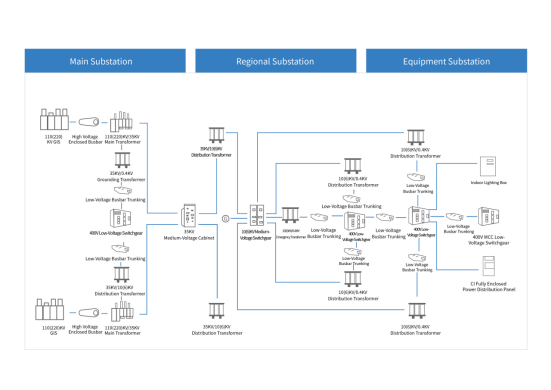
The petrochemical industry operates under some of the most demanding and hazardous conditions in the industrial world. From explosive atmospheres and corrosive environments to continuous high-load operations, the margin for electrical failure is virtually zero. For plant operators, safety directors, and engineering procurement teams, the partnership with a reliable petrochemical electrical equipment manufacturer is not merely a supply chain decision—it is a cornerstone of operational integrity and risk management. As digitalization reshapes the sector, the question is no longer just about durable hardware, but about intelligent systems that predict, prevent, and protect. This guide explores how forward-thinking suppliers are transforming safety paradigms across refineries and chemical complexes.
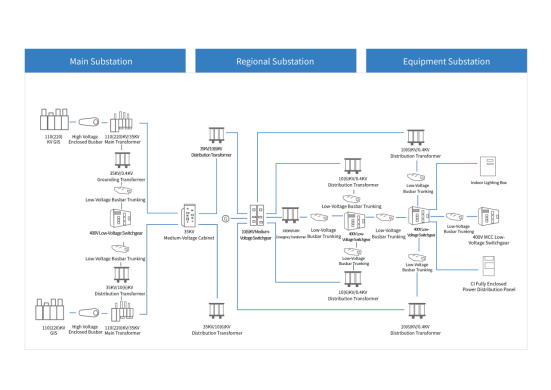
Moving Beyond Mechanical Interlocking to Intelligent Protection
Traditional safety measures in petrochemical electrical systems have long relied on mechanical interlocking and passive arc suppression devices. While these foundational technologies remain relevant, they are inherently reactive. Modern petrochemical electrical equipment manufacturers are now embedding active intelligence directly into switchgear, transformers, and motor control centers. Advanced sensing technologies continuously monitor electrical parameters—such as partial discharge, harmonic distortion, and load imbalances—alongside mechanical indicators like contact wear, spring tension, and operating mechanism torque.
For example, real-time temperature monitoring across busbar connections and cable terminations can detect hot spots long before they escalate into insulation failures or arc flashes. Simultaneously, environmental sensors track humidity, gas concentration, and vibration levels within electrical rooms, providing early warnings of ingress or structural stress. This multi-layered data stream enables a shift from scheduled maintenance to condition-based, predictive strategies. The result is a dramatic reduction in unplanned outages and, more critically, a significant decrease in exposure risks for maintenance personnel who would otherwise perform manual inspections in high-risk zones.
Enhancing Seismic Resilience and Arcing Suppression for Extreme Scenarios
Petrochemical facilities are often located in regions prone to seismic activity or extreme weather events, compounding the inherent process risks. A robust petrochemical electrical equipment manufacturer must design products that withstand not only electrical stresses but also physical shocks and environmental extremes. Seismic-resistant designs incorporate reinforced enclosures, flexible bus connections, and specialized anchoring systems that maintain structural integrity and electrical continuity during ground motion. This prevents catastrophic secondary failures—such as dropped conductors, breached enclosures, or ruptured oil-filled transformers—that could ignite flammable atmospheres.
Arcing suppression has also evolved significantly. Beyond traditional passive techniques like venting and channeling, modern solutions integrate ultra-fast electronic fault detection that clears arcing faults in milliseconds, limiting incident energy to safe levels. Some advanced systems employ vacuum or SF6 interrupter technologies combined with intelligent relay coordination, ensuring that any internal fault is isolated before it can propagate. Furthermore, energy efficiency improvements—such as low-loss transformer cores and high-efficiency motor drives—reduce thermal stress on equipment, indirectly enhancing long-term reliability and safety by lowering the probability of heat-induced degradation.
Digital Power Systems and Full-Life-Cycle Management
The most transformative contribution from today’s petrochemical electrical equipment manufacturer is the integration of digital power systems that unify hardware, software, and data analytics. These platforms create a digital twin of the electrical network, allowing operators to simulate fault scenarios, optimize load flows, and test protective relay settings without interrupting live processes. Real-time health assessments aggregate data from hundreds of sensors, generating actionable alerts and maintenance recommendations tailored to actual equipment condition rather than calendar-based schedules.
This digital approach extends to full-life-cycle management. From factory acceptance testing and commissioning support to remote diagnostics and end-of-life replacement planning, the manufacturer becomes a long-term partner in safety assurance. For instance, cloud-based monitoring centers can provide off-site experts with access to live operational data, enabling rapid root-cause analysis during incidents and reducing the need for on-site troubleshooting in dangerous environments. Such systems also facilitate regulatory compliance by maintaining auditable logs of equipment performance, test results, and maintenance actions—streamlining inspections and demonstrating due diligence to authorities.
Strategic Partnership for Uncompromised Safety
Selecting the right petrochemical electrical equipment manufacturer is a strategic investment that directly influences plant safety culture, operational uptime, and regulatory standing. Plant owners should prioritize suppliers that demonstrate deep domain knowledge, a proven track record in harsh environments, and a clear roadmap for digital innovation. Site visits, reference calls, and third-party certifications (such as IECEx or ATEX for hazardous areas) are essential due diligence steps.
Daqo Group exemplifies this next-generation approach. Their digital power solutions for the petrochemical industry upgrade traditional equipment across mechanical interlocking, arcing suppression, seismic resistance, and energy efficiency. By deploying advanced sensing for real-time monitoring of electrical and mechanical parameters, temperature, and ambient conditions, Daqo enables comprehensive health assessment, intelligent operation and maintenance, and full-life-cycle management. This delivers a truly integrated solution that not only safeguards assets and personnel but also enhances process continuity in one of the world’s most critical industrial sectors. For petrochemical operators, partnering with Daqo Group means choosing proactive protection over reactive repair—a decision that defines safety excellence for decades to come.
