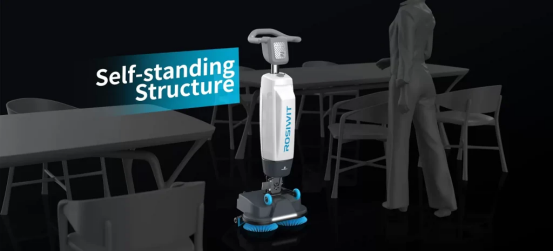
Facility maintenance teams frequently assess the operational requirements of large spaces to determine the most effective sanitation strategy. Evaluating the differences between traditional manual hardware and automated systems allows organizations to optimize their cleaning workflows while managing labor expenditures. While a walk behind floor scrubber remains a staple in many environments for its immediate control, modern facilities often examine whether to augment their fleet with autonomous technology. Rosiwit addresses these requirements by offering robust solutions that prioritize reliability and efficiency for diverse professional maintenance needs. When firms compare a walk behind auto scrubber against newer autonomous alternatives, they prioritize long-term utility and operational output.
Functional Differences in Operator Requirements
A primary distinction between these technologies involves the level of human intervention necessary during daily cycles. Traditional manual machines require a dedicated staff member to operate the unit for the duration of the cleaning task, which ties up valuable labor hours. Conversely, automated systems permit personnel to focus on high-value tasks while the equipment performs repetitive floor maintenance. A walk behind floor scrubber demands constant physical presence, whereas autonomous models allow for a programmed, hands-off approach that fits specific site requirements. Staff training also differs significantly, as manual machines require familiarity with physical controls, while autonomous platforms require familiarity with mission planning and software interfaces.
Performance Across Variable Environments
Facility layouts often present unique obstacles that influence the effectiveness of cleaning equipment. Tight corners, narrow corridors, and changing foot traffic patterns dictate which machinery performs effectively. Human operators can react instantly to unexpected debris or emergency spills when using a walk behind auto scrubber, providing a level of responsiveness that remains critical in dynamic retail or industrial settings. However, the consistent path-following capability of automated units ensures that every square meter receives uniform attention throughout the facility. Rosiwit designs their systems to maximize coverage in complex layouts, balancing the need for agility with the requirement for thorough, repetitive cleaning cycles.
Cost Structures and Capital Allocation
Maintenance budgets often hinge on the balance between initial acquisition costs and ongoing operational expenses. Manual units typically involve lower upfront costs, but the reliance on labor can lead to higher total cost of ownership over several years. Automated solutions require a higher initial commitment but offer significant potential for labor redistribution, which improves bottom-line performance. When evaluating a walk behind floor scrubber, organizations must factor in the recurring hourly wages of operators. Similarly, when considering a walk behind auto scrubber, the Pilot One Neo demonstrates how modern design can maximize uptime and minimize human error, providing a clear economic argument for facility modernization.
In conclusion, the decision between manual and autonomous equipment relies on a detailed assessment of facility size, traffic intensity, and labor strategy. While manual tools offer unmatched control for spot cleaning and unpredictable environments, autonomous systems provide consistency and labor efficiency for broad, recurring maintenance tasks. By aligning equipment choices with specific operational goals, organizations ensure high standards of sanitation are met throughout their properties.
