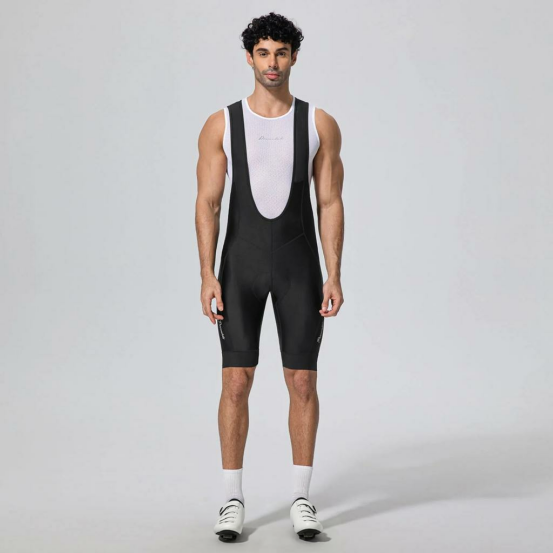
The pursuit of endurance on two wheels is as much about managing the body’s internal microclimate as it is about pedaling cadence or gear ratios. When a cyclist commits to hours of sustained physical exertion, the environmental conditions surrounding the skin dictate the quality of the ride far more than initial comfort might suggest. Thermal regulation stands as the primary pillar of endurance performance, yet its significance is frequently overshadowed by concerns regarding saddle padding or overall weight. Proper ventilation serves as the critical mechanism that prevents the rapid accumulation of heat and moisture, allowing the rider to maintain intensity without succumbing to early exhaustion. Understanding why air circulation and moisture management are non-negotiable features in high-performance apparel helps athletes optimize their efficiency and stay focused on the road ahead.
Thermal Regulation and the Preservation of Energy
Human physiology operates best within a very narrow temperature range. During intense exercise, the body burns fuel to power the muscles, and a significant portion of this energy is released as heat rather than kinetic motion. If this heat remains trapped against the skin, the cardiovascular system is forced to divert precious blood flow away from the working muscles to the surface of the skin in an attempt to cool the body down. This process, while necessary for survival, directly compromises athletic performance. Proper men’s classic bib shorts are engineered to facilitate rapid heat dissipation, effectively assisting the body in its cooling efforts. By minimizing the internal temperature, the garment preserves energy that would otherwise be wasted on thermoregulation, allowing the rider to push harder and travel further before fatigue sets in.
The Science of Fabric and Moisture Transport
Modern textile engineering has moved far beyond simple wicking. Contemporary riding garments utilize intricate synthetic blends that act as conduits for humidity. Moisture that lingers on the skin creates a humid layer that prevents the natural process of evaporative cooling from occurring efficiently. Poor cycling gear cannot pull sweat off your skin.Riders will feel sticky and weighed down. This discomfort only grows worse the longer you ride. High-quality apparel leverages advanced capillary action to draw perspiration through the fibers and push it to the exterior of the fabric, where it can evaporate into the surrounding air. This rapid transfer keeps the skin dry and comfortable, preventing the saturation of layers that often leads to irritation and premature skin breakdown.
Strategic Ventilation and Ergonomic Design
While the choice of fabric is vital, the physical construction of the garment plays an equally significant role in thermal management. Professional engineers analyze how air moves around a body in motion and place ventilation zones exactly where the body tends to overheat the most. This often includes the lower back and the space between the shoulder blades, where sweat accumulation is typically highest. By incorporating open-mesh structures into these specific areas, designers allow for a continuous flow of air to penetrate the garment. This cooling effect is crucial, especially during slow climbs where the relative wind speed is low and passive cooling is reduced. When selecting classic bib shorts, look for these subtle design cues that indicate a commitment to airflow, as they are often the features that separate base-level gear from apparel capable of supporting a competitive athlete.
The Chamois Interface and Hygiene
The interface between the rider and the saddle is perhaps the most sensitive region regarding thermal management. The protective chamois pad must offer structural support while simultaneously managing moisture in an area that receives almost no natural airflow. If the padding material does not breathe, it traps heat and moisture directly against the body, creating an environment that encourages bacterial growth and chafing. Modern designs address this by utilizing multi-density foam inserts that are perforated or structured with open-cell technology. These innovations allow air to circulate through the padding itself, ensuring that even under high pressure, the chamois remains a dynamic component of the gear rather than a heat sink. Maintaining dryness in this zone is fundamental to preventing the development of sores and ensuring that the athlete can remain in the saddle for the duration of a long training ride.
Compressive Benefits and Stable Support
Breathability is not mutually exclusive with compression. In fact, the best endurance gear manages to combine high-stretch support with maximum porosity. Compression helps stabilize the major muscle groups, reducing the energy lost to muscle oscillation on uneven surfaces or during high-cadence pedaling. The challenge for manufacturers is to create a compressive fit that does not feel suffocating or restrictive. By utilizing advanced patterns and high-performance elastic fibers, it is possible to achieve a fit that feels like a second skin while maintaining plenty of room for heat to escape. A secure fit also ensures that the garment stays in the correct position relative to the anatomy, preventing the shifting and sliding that causes friction. When the apparel works in harmony with the body, the rider never has to consider their clothing, allowing them to remain entirely focused on the mechanics of their ride.
Elevating Your Endurance Experience
The investment in technical apparel is fundamentally an investment in the quality of the cycling experience. For those who spend long days training, commuting, or exploring, equipment that supports rather than hinders performance is a necessity. Przewalski Cycling has long recognized that the intersection of ergonomic design and advanced material science is where the best riding gear resides. Their approach emphasizes the creation of garments that withstand the rigors of the road while offering a fit that feels natural and unobtrusive. Every decision regarding fabric density, seam placement, and airflow is made with the goal of maximizing endurance and minimizing the distractions that prevent a rider from performing at their best. Those interested in learning more about how performance-oriented design can transform their time in the saddle are encouraged to visit the Przewalski Cycling homepage. By aligning the needs of the athlete with the latest in textile technology, the right gear provides the confidence to tackle any route, knowing that comfort and support are built into every fiber of the garment.
