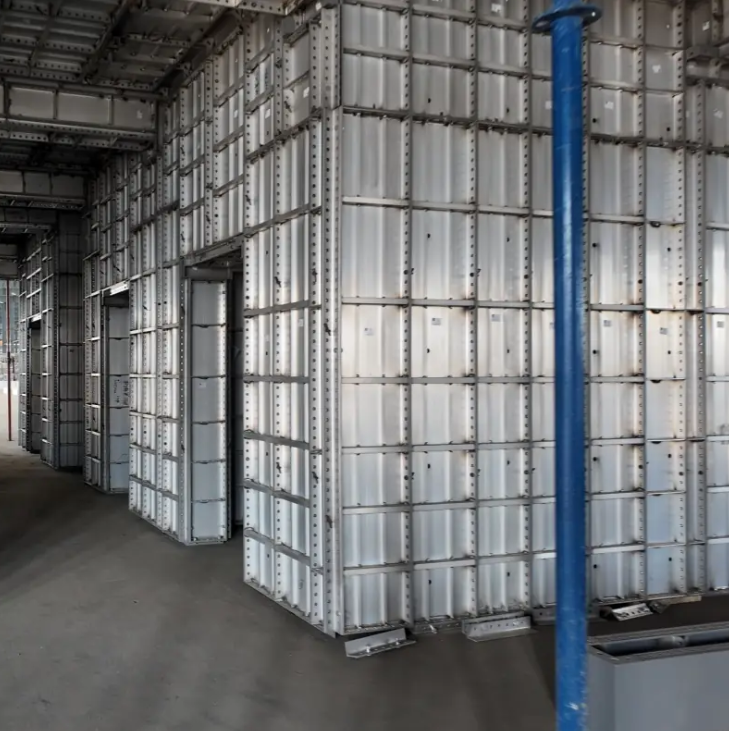
Construction methods for large housing projects are constantly changing as developers look for practical ways to improve efficiency, manage costs, and maintain consistent building quality. Formwork selection plays an important role because it affects concrete shaping, labor organization, and construction schedules.
In many residential developments, repetitive layouts create a need for construction systems that can be reused across multiple floors. This has increased attention toward modular solutions that support faster installation while keeping concrete structures consistent.
Understanding the Role of Modular Formwork in Housing Projects
Formwork provides the temporary structure needed to shape concrete elements during construction. For large housing projects, the system needs to match repeated designs such as walls, columns, beams, slabs, staircases, and elevator shafts.
Traditional materials can still be used in many applications, but project teams often review options based on reuse ability, installation methods, and site conditions. A suitable system can help reduce adjustments between construction stages.
The growing use of China aluminum formwork is connected with the demand for efficient building processes in residential projects. Developers and contractors often consider this method when working on high-rise buildings, apartment complexes, and other projects with similar floor plans.
Exploring Why Aluminum Systems Fit Repetitive Structures
One reason aluminum solutions attract attention is their modular design. Panels can be assembled and dismantled according to project requirements, allowing construction teams to repeat the same process across different floors.
Unlike heavier formwork options, aluminum structures are designed with lightweight characteristics and can support easier handling on site. This feature can help construction teams organize installation work without relying on heavy lifting equipment for every step.
Rongze provides an aluminum formwork system designed for concrete construction applications. It offeres a reusable solution for concrete walls, columns, beams, slabs, staircases, and elevator shafts. The system uses a modular structure that supports assembly and dismantling while helping create smooth concrete finishes.
For projects with repetitive structural layouts, reuse cycles are an important consideration. The system from Rongze is designed for more than 300 reuse cycles, making it suitable for high-rise residential buildings, apartment projects, commercial buildings, hotels, hospitals, and schools.
Considering Construction Benefits Beyond Installation Speed
Construction efficiency is not only about how quickly materials are installed. Project teams also need to consider surface quality, dimensional accuracy, and workflow coordination throughout the building process.
A reusable aluminum solution can support more consistent concrete results because panels are manufactured for repeated use. This can reduce the need for frequent formwork replacement and help teams maintain similar construction standards between different sections of a project.
For contractors evaluating aluminum formwork system options, the choice often depends on project scale, structural design, and expected construction cycles. Large housing projects with repeated layouts may benefit from systems that can be applied across multiple floors.
The use of this construction method has also expanded because manufacturers can provide solutions that match different construction requirements. Buyers usually review product design, application experience, and technical support before selecting a supplier for international projects.
Reviewing Applications in Different Building Types
Large residential projects are not the only areas where modular aluminum formwork is applied. The same construction approach can be used in various concrete structures where repeated layouts and stable quality are important.
High-rise residential buildings are a common application because each floor often follows a similar structural pattern. Apartment complexes and affordable housing projects can also use this method to support organized construction planning.
Commercial buildings, hotels, hospitals, and schools may have different layouts, but some areas still require repeated concrete structures. A flexible formwork system can help project teams adapt to different construction stages.
Evaluating Supplier Factors for International Projects
When sourcing construction equipment internationally, buyers usually review more than product specifications. Manufacturing capability, quality management, communication, and after-sales support are also important factors during cooperation.
Suppliers with experience in overseas projects need to understand different construction environments and customer requirements. Clear technical information and practical application guidance can help buyers make suitable decisions.
A professional review process may include checking material quality, system design, reuse performance, and compatibility with project plans. These factors allow construction companies to compare solutions based on actual needs instead of only focusing on initial purchase costs.
Supporting Future Housing Construction Needs
Large housing developments require construction methods that balance efficiency, quality, and practical operation. Modular formwork has become an option for projects that need repeated concrete structures and organized workflows.
As the construction industry continues to develop, reusable systems may receive more attention from developers, contractors, and international buyers. Choosing a suitable solution requires understanding project conditions, construction goals, and long-term usage plans.
The decision process should also include site planning and construction management. Before adoption, project teams can review floor repetition, labor arrangements, storage conditions, and local installation practices. This helps match the formwork method with real project requirements and avoids unsuitable selections.
With proper planning, reusable systems can become part of a more organized construction approach. They provide a practical option for companies handling large housing projects that require repeated concrete work, consistent results, and efficient resource management across different development stages.
For international construction buyers, understanding these factors helps create clearer evaluation standards when comparing different formwork approaches for future residential development projects.
