Selecting appropriate production equipment requires aligning target package formats, nonwoven material characteristics, and factory output targets with suitable machinery designs. Nonwoven converting lines transform raw rolls into folded, liquid saturated stacks through synchronized tension control and cutting mechanisms. ZLINK is a wet wipes machinery manufacturer providing equipment and integrated production solutions for wet wipes factories worldwide. Factory teams evaluating prospective production platforms analyze mechanical stability, drive architecture, and quick changeover capabilities to ensure stable operations across different SKU specifications.
Substrate Handling and Primary Packaging Integration
Line configuration begins by evaluating substrate properties and required product dimensions across production schedules. Folding modules must handle nonwoven fabrics of varying basis weights without causing fabric distortion or uneven stack edges during continuous feeding operations. Integrating a high performance wet wipes packaging machine helps preserve stack structural integrity as nonwoven wipes transition from folding units directly into flow wrapping systems. Proper mechanical matching prevents material binding and maintains consistent sheet counts across diverse packaging configurations.
Consistent liquid application remains critical to preserving wipe functionality and preventing fluid accumulation within shipping containers. Dosing units utilize precision pumps to distribute lotion uniformly across moving nonwoven webs prior to cross cutting sequences. System controllers adjust flow rates dynamically in response to speed variations across the main line, ensuring steady liquid ratio distribution.
Maintaining controlled fluid distribution helps ensure consistent lotion levels across the wipe stack, while appropriate film selection and sealing parameters support package integrity during storage and transportation.
Primary packaging stages enclose wet stacks within protective barrier film to prevent moisture evaporation throughout extended shelf lives. Drive systems equipped with multi axis servo motors regulate film unwinding and transverse sealing alignment across continuous operations. Operators utilizing an engineered wet wipe packaging machine experience uniform seal formation, accurate optical eye registration, and smooth film tension control. Servo synchronization reduces package film stretching and minimizes downtime caused by film misfeeds or seal misalignments.
Thermal Sealing Control and Automated Lid Placement
Temperature control is an important consideration when selecting a flow wrapper, as appropriate sealing temperatures help maintain consistent seals across different packaging film materials and production speeds. Continuous thermal monitoring prevents film burn through or insufficient sealing along longitudinal and end seals. Consistent sealing quality helps prevent moisture loss and protects wet wipes from premature drying during storage and distribution.
Adding rigid plastic lids onto flexible packaging requires precise positioning systems to handle varying package surface contours. Vision-guided lid applicators can identify package positions and support accurate lid placement before the products move to the next packaging stage. Automated applicators adjust placement coordinates dynamically, maintaining uniform cap placement across continuous production runs. Synchronizing adhesive application with package travel reduces the risk of adhesive migration and contributes to a neat exterior package appearance for retail display.
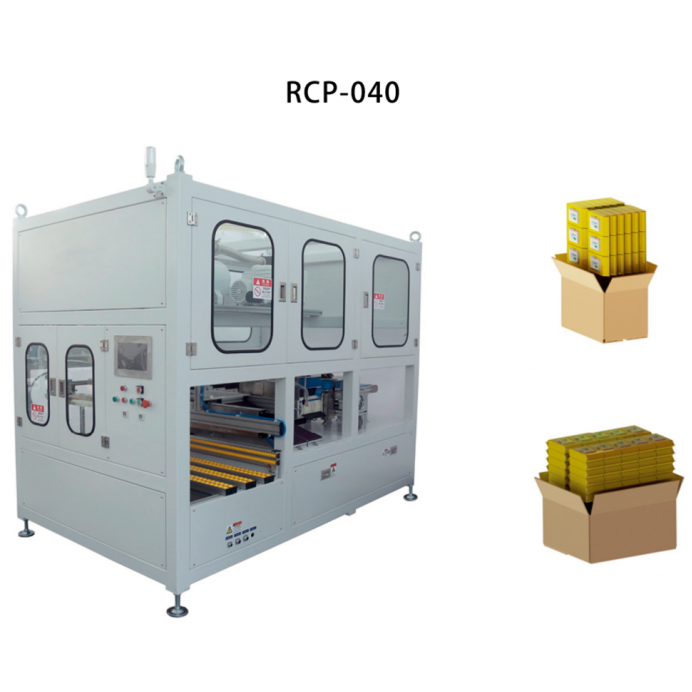
End of line automation transfers finished single packs into shipping cartons for transport and storage. Case packing equipment collates incoming packs into defined matrix layouts before loading them horizontally or vertically into corrugated cartons. Industrial controllers manage loader motion profiles to handle flexible packs gently without disrupting internal liquid distribution or outer packaging seams. Automated case handling reduces manual lifting tasks and maintains continuous output flow toward final warehouse palletizing areas.
Line Synchronization and Preventive Maintenance Protocols
Modern nonwoven production plants rely on centralized supervisory control to observe real time system performance across all linked equipment modules. Connected controllers aggregate operational data including line speed, seal temperatures, motor load metrics, and alarm logs onto accessible operator panels. Implementing advanced ZLINK wet wipes machinery enables plant managers to analyze operational telemetry, schedule preventive maintenance, and maintain steady manufacturing output. Standard communication protocols streamline integration between line machinery and plant management software.
Sustaining equipment performance requires scheduled maintenance protocols designed for wet manufacturing environments. Technical teams conduct regular inspections of drive belts, cutting blades, liquid supply tubing, and sealing surface coatings to identify component wear early. Clean machinery surfaces prevent lotion buildup on guidance rollers and optical sensors, reducing electrical faults and material jams. Following structured maintenance schedules supports consistent component longevity and maintains reliable operating conditions across continuous production schedules.
Production facilities often require tailored line configurations to accommodate specialized substrate materials, custom fold patterns, or unique package sizes. Machinery manufacturers work with plant engineering teams to design modular frames that allow simple additions of future processing components. Adaptable frame architectures and versatile drive software enable factories to adjust to evolving market demands without replacing core machinery assets. Strategic equipment selection supports long term factory flexibility and provides scalable capacity for expanding manufacturing operations.
