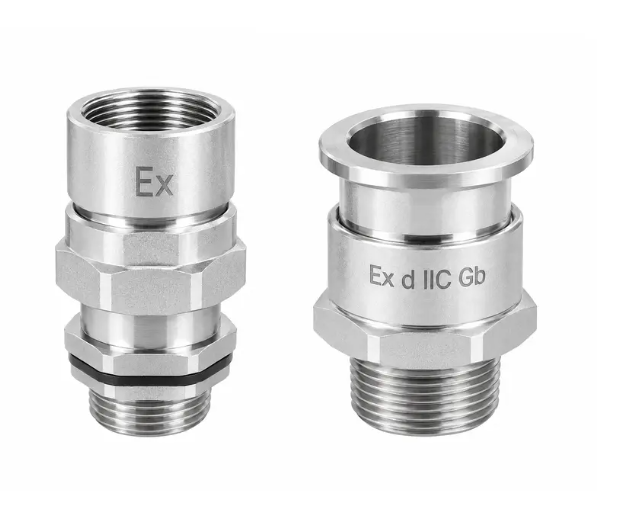
Hazardous industrial sites depend on electrical systems that match the risks present in each work area. Cable entries, conduit connections, stopping plugs, and lighting accessories may be small components, but each one affects how the installation is assembled and maintained. Selecting an explosion proof LED light also requires attention to area classification, ambient conditions, and compatibility with associated electrical fittings. Careful planning helps teams choose suitable components for the installation.
Identify the Conditions Before Choosing Accessories
Project teams should begin with the hazardous-area classification and the risks recorded in the engineering documents. Flammable gases, vapours, and combustible dust can call for different equipment selections. Specifications may identify the protection method, gas or dust group, temperature class, and required ingress protection.
Those details should guide purchasing and installation. The team should confirm the approved equipment category for the location and check relevant local codes before placing an order.
Cable Glands Must Match the Cable
Cable glands connect cables to enclosures and help manage the entry point. Selection depends on cable construction, outside diameter, thread type, enclosure entry, and the conditions around the installation. Incorrect gland sizing can affect sealing and strain relief, while an unsuitable thread may prevent correct assembly.
For unarmored cables, a single-seal design may be suitable when the cable and installation requirements align with the product specification. Buyers should confirm the permitted cable diameter, thread options, sealing material, and installation instructions. Checking these details before delivery can reduce delays during fitting and inspection.
Material Choice Depends on the Environment
Heat, moisture, salt, and chemical exposure can affect accessory performance over time. Stainless steel may be considered where corrosion resistance is important. Nickel-plated brass provides another material option, while galvanized carbon steel may suit other conditions when supported by the site’s corrosion assessment.
The selection should reflect the actual environment, including cleaning chemicals, humidity, ambient temperature, and maintenance access. Compatibility between the fitting, enclosure, and cable also matters. Project teams should confirm material suitability against the expected exposure conditions rather than choosing by appearance alone.
Check Every Connection in the Assembly
Hazardous-area installations may include cable glands, reducers, stopping plugs, conduit fittings, junction boxes, and enclosure entries. Each component has a specific function, and the assembled system must follow the equipment certificate and installation instructions. An enclosure’s certification does not automatically make an unrelated accessory suitable for use with it.
Procurement teams can prepare a connection schedule listing cable type, entry thread, fitting material, sealing requirement, and installation location. This gives installers a clear reference and helps inspectors trace the selected parts.
Lighting Needs Compatible Entries and Mounting
Lighting systems in hazardous areas require attention to the luminaire, cable entry, mounting arrangement, and power connection. The selected explosion proof LED light should suit the classified location, illumination needs, ambient temperature, and exposure to dust or moisture. Its certification and permitted installation conditions should be reviewed with the accessories used to connect it.
Mounting brackets, junction boxes, and cable glands must fit the luminaire and its approved configuration. Replacing an entry fitting during maintenance may affect compliance if the substitute falls outside that arrangement.
Compare Documentation, Not Just Price
Industrial buyers should compare more than unit cost when reviewing explosion proof electrical fittings. Useful checks include certification scope, material, dimensions, environmental suitability, documentation, and maintenance requirements. Clear specifications help distributors and contractors avoid last-minute substitutions that may trigger another technical review.
Purchasing teams should request current datasheets, installation instructions, and relevant certificates. Engineers should clarify special requirements before ordering, especially for humid or corrosive locations.
A Cable Gland Option for Unarmored Wiring
The BDM-I Series Explosion-proof Unarmored Single Seal Cable Gland is intended for suitable cable wiring applications. Its unarmored single-seal design is intended for compatible unarmored cable installations. Listed material options include stainless steel, nickel-plated brass, and galvanized carbon steel, allowing buyers to compare materials with the site’s conditions.
The series is described as suitable for harsh environments, including high temperatures, high humidity, and highly corrosive conditions. Buyers should verify the model’s cable range, thread dimensions, certification, and installation requirements in current documentation.
Sunleem EEW supplies product information for industrial electrical installations and related accessories. Teams can compare its details with area classification, cable schedules, and environmental assessments.
Include Accessories in Routine Inspection
Maintenance plans should cover small accessories as well as major electrical equipment. During scheduled checks, teams can look for corrosion, damaged threads, loose connections, missing stopping plugs, and signs of moisture ingress. Replacement parts should match the required protection level and be installed according to the manufacturer’s instructions.
An accessory schedule records selected components and gives technicians a reference during repairs. Lighting systems also require checks of cable entries and mounting accessories alongside the luminaire itself.
Confirm the Details Before Ordering
Safe hazardous-area work depends on compatible components, correct installation, and records that remain useful over time. Teams should verify area classification, cable requirements, material suitability, and product certification before ordering accessories. This helps reduce substitutions and supports inspection.
For project buyers and system integrators, explosion proof electrical fittings should be assessed as part of the complete installation. Sunleem EEW provides product information that can support the review, while the final choice should follow project documents and applicable requirements. Confirming these details before purchase helps keep the installation appropriate for its intended operating conditions.
