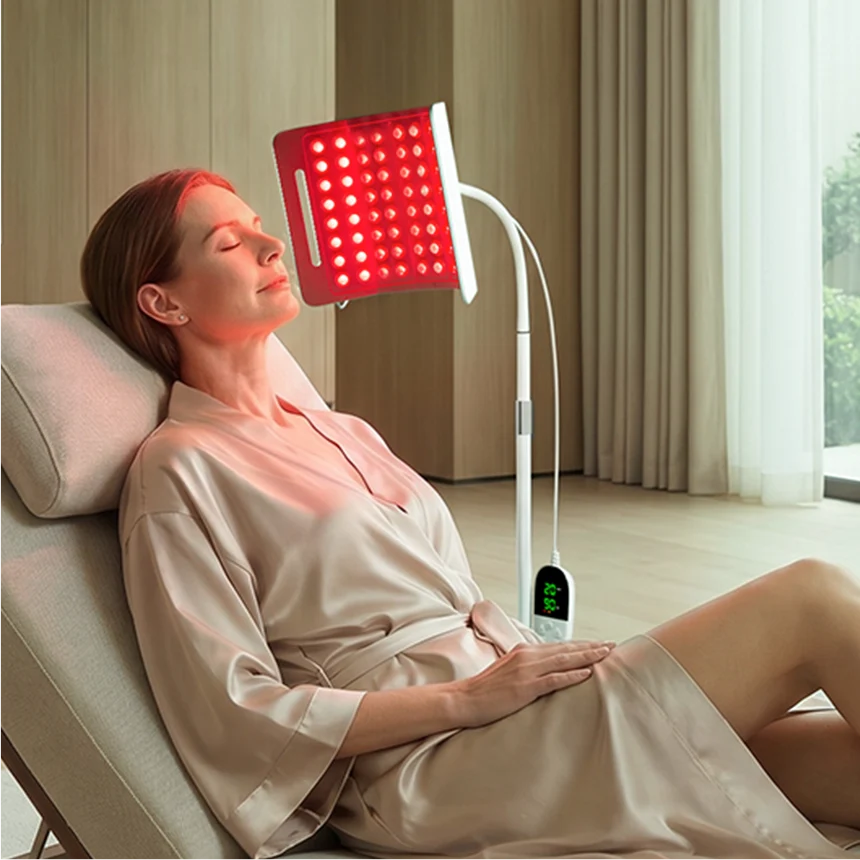
When exploring red light therapy devices, one of the key factors to consider is wavelength. Different wavelengths of light interact with the body in different ways, which is why many devices are designed around specific wavelength combinations to support different wellness goals.
For those researching a red light therapy panel 660nm 850nm, understanding the distinction between these two commonly used wavelengths can provide a clearer view of how such devices are designed and used. Both 660nm and 850nm wavelengths are widely discussed in the field of photobiomodulation (PBM), but they have different characteristics in terms of light penetration and application focus. By learning how wavelength selection, device design, and usage considerations connect together, consumers can better evaluate which type of red light device suits their personal wellness routine.
Understanding the Role of Wavelength in Red Light Technology
Red Light Therapy (RLT), also known as photobiomodulation, uses specific wavelengths of light to interact with biological systems. Unlike heat-based technologies, red light devices rely on light energy rather than temperature changes. Research suggests that certain wavelengths may influence cellular processes associated with energy production and general wellness support.
Wavelength is measured in nanometers (nm), and different wavelengths have different penetration and absorption characteristics. Red light is generally visible to the human eye, while near-infrared light is invisible because it has a longer wavelength. Both types of light are frequently used in consumer wellness products because they offer different technical properties.
When evaluating a red light therapy panel 660nm 850nm, users should look beyond the device’s power rating. Factors such as irradiance, energy dose, exposure time, and recommended distance all contribute to how the light is delivered. A higher wattage number alone does not necessarily indicate a better experience.
What Makes 660nm Red Light Different?
The 660nm wavelength is one of the most commonly discussed red light ranges in photobiomodulation research. Because it is part of the visible red light spectrum, it interacts with the body differently compared with longer near-infrared wavelengths.
At 660nm, red light is primarily absorbed by cytochrome c oxidase in mitochondria. This interaction has been studied for its relationship with the electron transport chain and ATP production, which provides cells with energy for normal biological functions. However, research continues to explore the full range of possible applications and individual responses may vary.
In consumer wellness settings, 660nm red light is often associated with routines focused on skin wellness and general wellbeing. Many devices combine this wavelength with other light ranges to provide a broader approach rather than relying on a single wavelength.
Exploring the Characteristics of 850nm Near-Infrared Light
Near-infrared light at 850nm has different properties from visible red light. Since it has a longer wavelength, it is invisible to the human eye and has different interaction characteristics when passing through biological tissues.
The 850nm wavelength is often discussed in relation to deeper light applications because it experiences lower absorption and scattering compared with shorter wavelengths. This allows light energy to reach areas beyond the surface level, making it a popular choice in many photobiomodulation devices.
For consumers considering a red light therapy panel 660nm 850nm, the combination of these wavelengths provides a balanced approach. The 660nm red light and 850nm near-infrared light serve different purposes from a technical perspective, allowing manufacturers to design products that incorporate multiple wavelength characteristics.
Why Dual-Wavelength Panels Are Becoming Popular
Many modern red light panels combine multiple wavelengths because users often prefer flexible wellness solutions. A dual-wavelength design allows one device to provide both visible red light and invisible near-infrared light within the same session.
The LifeZoom Veyra Series Curved Silicone Red Light Therapy Panel is designed around this dual-wavelength concept. The medium-size panel features 660nm and 850nm spherical bulbs, combining two commonly used wavelengths in one flexible design.
Unlike traditional rigid panels, the Veyra Series uses a curved silicone structure that allows users to bend the panel or lay it flat depending on their preferred setup. When slightly bent, the design can help create more direct light exposure from different angles, supporting a more adaptable user experience.
Design Considerations When Choosing a Red Light Panel
Choosing a red light panel involves more than simply comparing wavelength numbers. Users should consider how the device fits into their daily routine, including portability, flexibility, comfort, and available space.
A flexible panel design can be useful for people who want more options for positioning. Instead of requiring a fixed setup, a bendable device may adapt to different environments. This can make it easier for users to incorporate light-based wellness routines into everyday activities.
The Veyra Series reflects this approach by combining technical features with practical design. Its flexible structure allows users to adjust the panel, while its dual-wavelength configuration provides both 660nm red light and 850nm near-infrared light.
Building Realistic Expectations for Red Light Wellness
Although red light technology continues to attract interest, users should approach it with realistic expectations. Scientific research on photobiomodulation is ongoing, and results may depend on factors such as wavelength, dosage, application method, and individual differences.
A quality red light therapy panel 660nm 850nm should be evaluated based on complete specifications rather than a single feature. Understanding irradiance, usage guidelines, and design quality can help consumers select products that better match their personal wellness routines.
Red light technology is most commonly viewed as one part of a broader lifestyle approach. Consistent sleep habits, balanced nutrition, physical activity, and other healthy practices remain important parts of overall wellbeing.
Making an Informed Choice for Light-Based Wellness
The growing availability of red light panels gives consumers more opportunities to explore personalized wellness routines. Understanding the differences between 660nm red light and 850nm near-infrared light can help users better evaluate product designs and choose options that suit their preferences.
With its flexible curved silicone structure, dual-wavelength 660nm and 850nm design, and adaptable usage options, the LifeZoom Veyra Series Curved Silicone Red Light Therapy Panel provides a practical choice for those exploring modern light-based wellness technology. Discover LifeZoom’s innovative wellness solutions today and find a red light experience designed to support your everyday routine.
