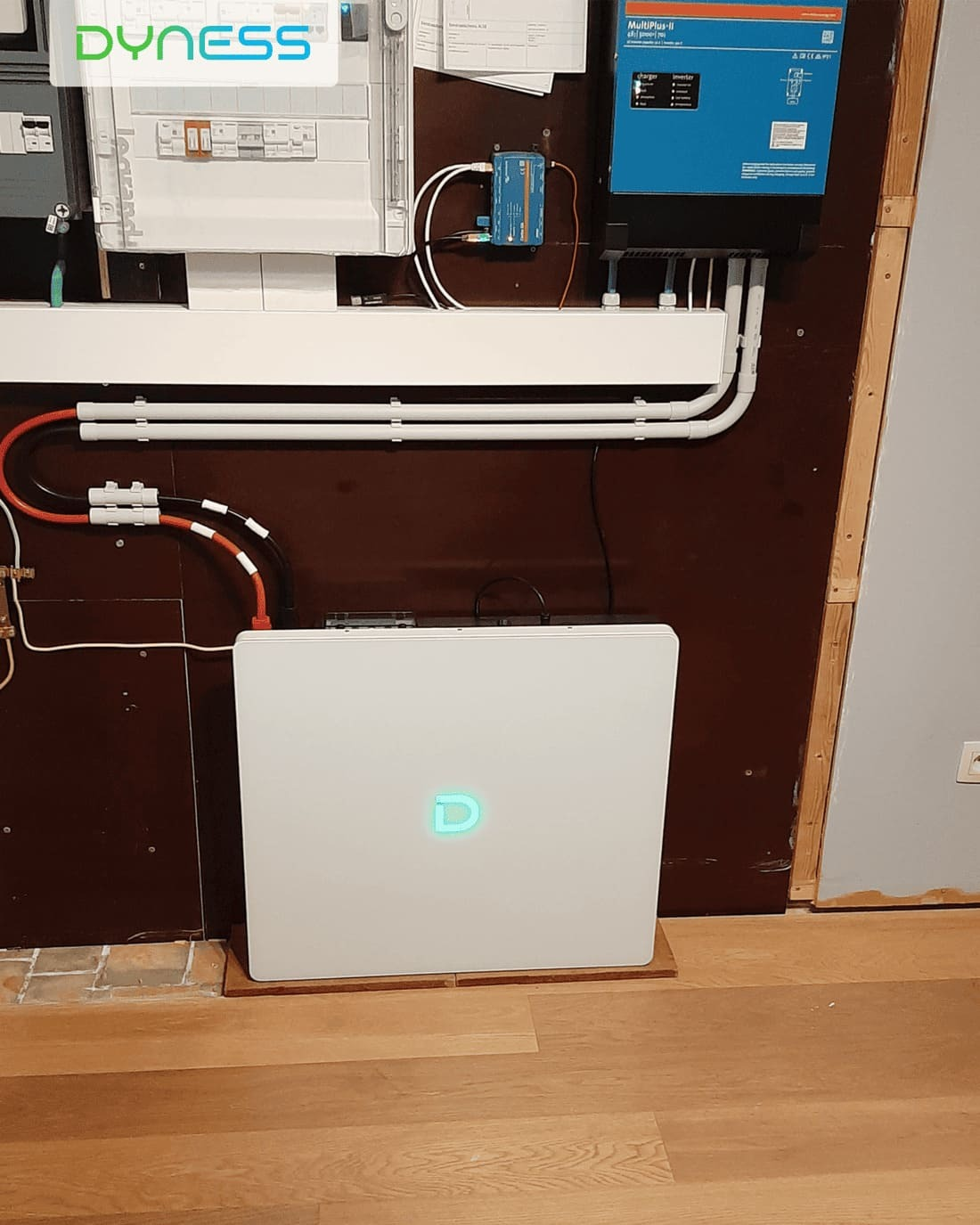
Manufacturers and grid operators face a constant struggle to balance supply with an ever-changing demand for electricity. Dyness offers smart energy storage systems that function as the central nervous system for these complex electrical environments. They provide energy storage solutions that do more than just hold power; these systems actively communicate with the grid to optimize performance in real-time. By integrating these smart energy storage systems, utility providers can manage the influx of variable renewable energy without risking local outages. They focus on delivering hardware that helps B2B partners stabilize their infrastructure while reducing the waste typically found in older, less responsive electrical setups.
Strengthening Grid Resilience through Smart Technology
Traditional power grids often buckle under the weight of sudden spikes in consumption or drops in renewable generation. Dyness develops smart energy storage systems that provide immediate frequency support and voltage regulation to prevent these failures. These energy storage solutions are deployed at strategic points within the utility network to absorb excess energy when production is high and discharge it during peak periods. They have seen how these smart energy storage systems reduce the need for expensive peaker plants that are slow to start and costly to maintain. By utilizing such energy storage solutions, grid managers can ensure a steady flow of power to thousands of businesses and homes simultaneously.
Empowering Microgrids in Remote and Critical Facilities
Microgrids require a high level of autonomy to function correctly when disconnected from the main utility source. Dyness supplies smart energy storage systems that act as the primary anchor for these localized networks, whether they are on a remote island or a secure corporate campus. These energy storage solutions manage the handoff between solar arrays, wind turbines, and backup generators to maintain a seamless power supply. They find that smart energy storage systems are particularly effective in these scenarios because they can prioritize critical loads during an emergency. This level of control makes their energy storage solutions a staple for facilities where even a few seconds of downtime could result in significant data loss or safety risks.
Optimizing Efficiency in Industrial Energy Networks
Large-scale factories and industrial parks operate with massive energy footprints that require precise management to remain profitable. Dyness helps these industrial clients implement smart energy storage systems that monitor machine usage patterns to identify opportunities for cost savings. Their energy storage solutions allow a facility to store energy when prices are at their lowest and use that stored power to run heavy machinery during peak rate windows. They provide the necessary software and hardware integration for smart energy storage systems to talk directly to building management systems. This synergy ensures that energy storage solutions are always working to lower the operational carbon footprint and the monthly utility bill.
Supporting Global Infrastructure with Advanced Storage
Integrating intelligence into battery hardware is a practical necessity for the next generation of energy management. Dyness continues to provide the building blocks for smart energy storage systems that meet the rigorous standards of global engineering firms and energy developers. Their focus on modularity and smart communication protocols ensures that their energy storage solutions remain relevant as technology evolves. By deploying smart energy storage systems, they help their partners build a more robust and flexible energy future. These energy storage solutions represent a move away from passive hardware toward active, intelligent assets that provide value every hour of the day.
