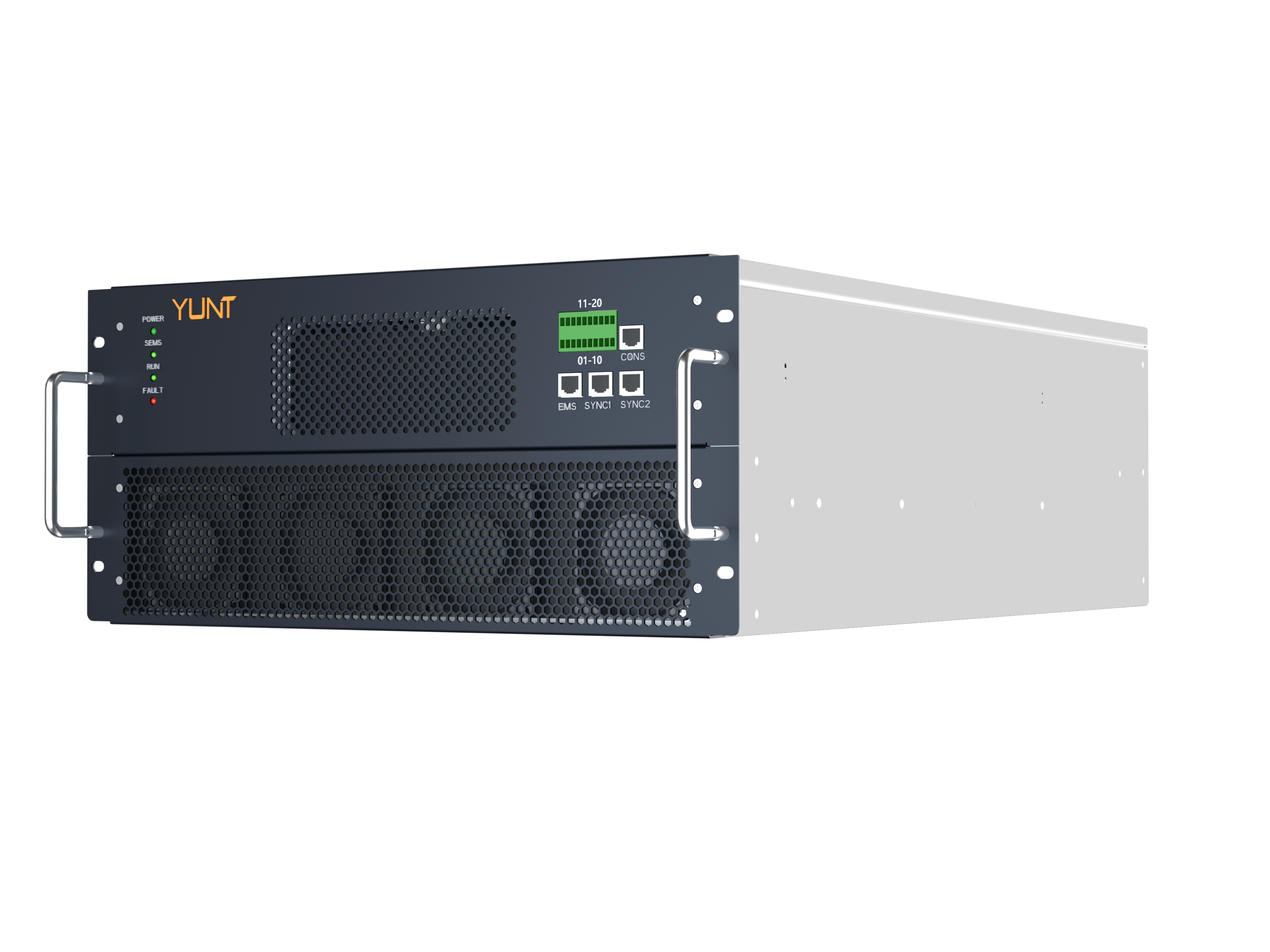
In large-scale energy storage system (BESS) development, expanding capacity is closely linked to how power conversion architecture is designed. YUNT focuses on modular energy engineering approaches that allow storage systems to scale in a controlled and structured way. In this context, a PCS module is used as a core element for managing power conversion across different storage configurations, ensuring stable electrical behavior during expansion. A bidirectional power module further supports controlled energy transfer between storage units and the grid, helping maintain operational balance as system size increases. This modular direction allows energy infrastructure to grow without requiring complete redesign of existing setups, making system expansion more practical for varied deployment scenarios.
High-Density Architecture in Modern Storage Systems
In large-scale energy storage projects, system density and conversion efficiency are important considerations when expanding capacity within limited physical space. YUNT approaches this challenge through compact electrical architectures that allow energy modules to be deployed in parallel configurations. In these designs, a PCS module is not only responsible for power conversion but also contributes to system-level coordination across multiple storage units. This enables more predictable performance when capacity is scaled incrementally. At the same time, a bidirectional power module ensures energy can be exchanged efficiently between different energy sources and storage banks, supporting balanced load distribution. Such an approach reduces complexity in system expansion and helps maintain stable operation during varying grid conditions. By focusing on modular design principles, they aim to simplify how storage capacity can be adjusted without requiring extensive redesign of existing infrastructure.
System Integration and Grid Adaptability
As storage systems become more interconnected with renewable generation and distributed energy resources, integration capability becomes a key factor in system planning. YUNT designs its products with compatibility in mind, allowing different energy components to work together under unified control strategies. This includes coordination between storage units, renewable inputs, and grid interfaces to ensure stable energy exchange. Modular hardware design also supports phased project development, enabling operators to expand capacity as demand grows. In practical deployment, system adaptability is essential when dealing with varying voltage levels, load fluctuations, and regional grid standards. By maintaining a consistent control framework, the overall system can respond more effectively to operational changes while minimizing disruption. This integration-focused approach supports long-term scalability and helps ensure that storage infrastructure can evolve alongside changing energy requirements.
Capacity Scaling Approach with Modular Power Design
Expanding battery energy storage capacity depends heavily on modular design principles and flexible system architecture. Through its engineering direction, YUNT demonstrates how distributed power conversion and system coordination can support scalable energy infrastructure without introducing unnecessary complexity. The use of standardized modules allows different project sizes to be supported under a consistent technical framework, which is particularly important for long-term deployment planning. Instead of focusing on isolated system components, the overall approach emphasizes interoperability between storage units, energy sources, and grid interfaces. This helps operators manage performance more effectively while adapting to changing energy demands. As energy systems continue to evolve, modular and adaptable design strategies are expected to remain central to how storage capacity is planned and implemented across different regions and applications.
