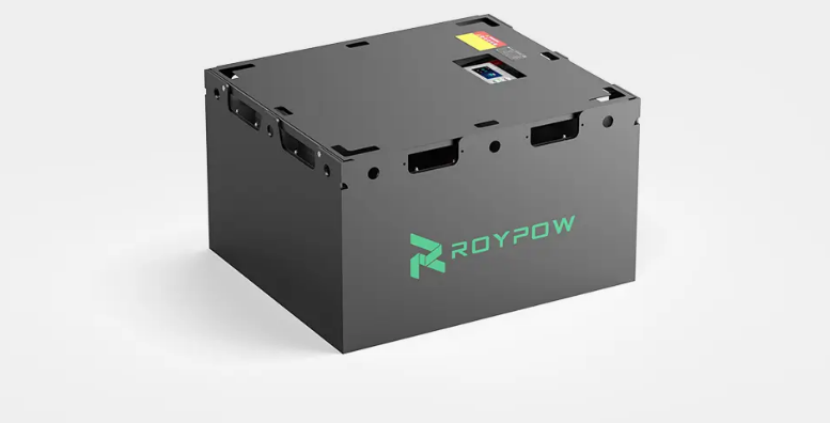
In modern warehouses, distribution centers, and manufacturing facilities, forklift performance has a direct effect on operational efficiency. While lift capacity, maneuverability, and equipment design all matter, battery selection remains one of the most important factors behind stable day-to-day performance. A well-matched battery helps forklifts maintain reliable power throughout each shift, reduces unnecessary interruptions, and supports smoother material handling across different workloads. For businesses aiming to control costs and improve uptime, understanding how forklift batteries differ in voltage, performance, and maintenance needs is an important part of making a better long-term decision.
Why Forklift Batteries Matter in Daily Operations
Forklift batteries do far more than simply provide energy. In practical use, they influence travel speed, lifting consistency, charging routines, and overall equipment availability. If a battery cannot deliver stable output, forklifts may experience reduced efficiency during intensive tasks, especially in environments where equipment is expected to operate for long periods without disruption.
This is why many businesses place increasing emphasis on battery quality rather than focusing only on upfront purchase cost. A more advanced battery system can help reduce downtime, lower maintenance needs, and improve the consistency of material handling operations. Over time, these advantages can translate into better labor utilization and lower total operating costs.
Understanding the Value of 48 Volt Forklift Batteries
For applications that involve heavier workloads or more demanding operating conditions, a 48 volt forklift battery is often a more suitable choice. Compared with lower-voltage options, it can provide the stronger and more stable power output needed for intensive material handling tasks.
A 48 volt system is particularly valuable in operations where forklifts are used frequently throughout the day. Its benefits can be seen in several areas:
- Higher power support for demanding tasks
Heavier loads and more continuous usage generally require a battery that can maintain strong performance without frequent power drops - Better support for productivity
Stable energy delivery helps forklifts work more efficiently during long shifts, which is especially important in busy warehouse environments - Lower interruption costs
When charging is faster and maintenance is reduced, equipment can spend more time in operation rather than out of service
In addition, advanced 48 volt models are often designed with safety and serviceability in mind. Features such as certified safety standards, modular construction, and reduced maintenance requirements make them attractive for businesses that want both performance and easier long-term management.
36 Volt and 48 Volt Options: How to Choose
When comparing a 36 volt battery for forklift applications with a 48 volt alternative, the right choice depends less on preference and more on actual operational needs. Both options can be effective, but they serve different usage conditions.
A 36 volt battery is generally a practical fit for lighter-duty work. In operations where forklifts handle moderate loads, shorter shifts, or less intensive usage cycles, this type of battery may provide sufficient performance while keeping the system simple and cost-efficient.
A 48 volt battery, by contrast, is better suited to operations that demand more from the equipment. It is often chosen when businesses need:
- Stronger performance under heavier workloads
Forklifts handling frequent lifting, longer run times, or more intensive warehouse activity usually benefit from the extra power available from a 48 volt system - Greater charging flexibility
Many advanced lithium systems support faster charging and opportunity charging, allowing operators to recharge during breaks or between tasks instead of relying only on long charging windows - Reduced maintenance pressure
Compared with traditional battery systems, modern lithium forklift batteries can eliminate much of the routine maintenance associated with watering, equalizing, or battery swapping
In other words, the choice between 36 volt and 48 volt should be based on operating intensity, uptime expectations, and how much flexibility the business needs in its charging routine.
Key Factors to Evaluate Before Making a Decision
Selecting the right forklift battery requires more than comparing voltage alone. Before choosing a system, businesses should look at the wider operational picture. Several factors are especially important:
First, consider the actual workload. A forklift used occasionally for lighter handling tasks will not have the same battery demands as one running across multiple shifts in a high-volume facility.
Second, review charging habits and available downtime. If the operation allows only limited charging windows, a battery that supports faster or opportunity charging may provide a clear efficiency advantage.
Third, think about maintenance resources. Some businesses want to reduce routine service demands and labor input, making low-maintenance battery systems more attractive from both an operational and staffing perspective.
Finally, look at long-term value rather than purchase price alone. A higher-quality battery may cost more initially, but the savings in labor, energy use, servicing, and reduced downtime can create a much stronger return over time.
A Smarter Approach to Long-Term Efficiency
Battery selection is closely tied to forklift reliability, cost control, and operational continuity. While a 36 volt battery for forklift use may be sufficient for lighter applications, a 48 volt forklift battery can offer stronger performance and better support for intensive material handling environments. The key is to match the battery to real operating conditions rather than choosing based only on initial cost or basic specifications.
As warehouses and logistics operations continue to focus on efficiency, businesses are paying more attention to battery systems that combine safety, stable output, flexible charging, and reduced maintenance. A well-chosen forklift battery does not just power equipment. It supports smoother workflows, fewer delays, and a more productive operation over the long term.
