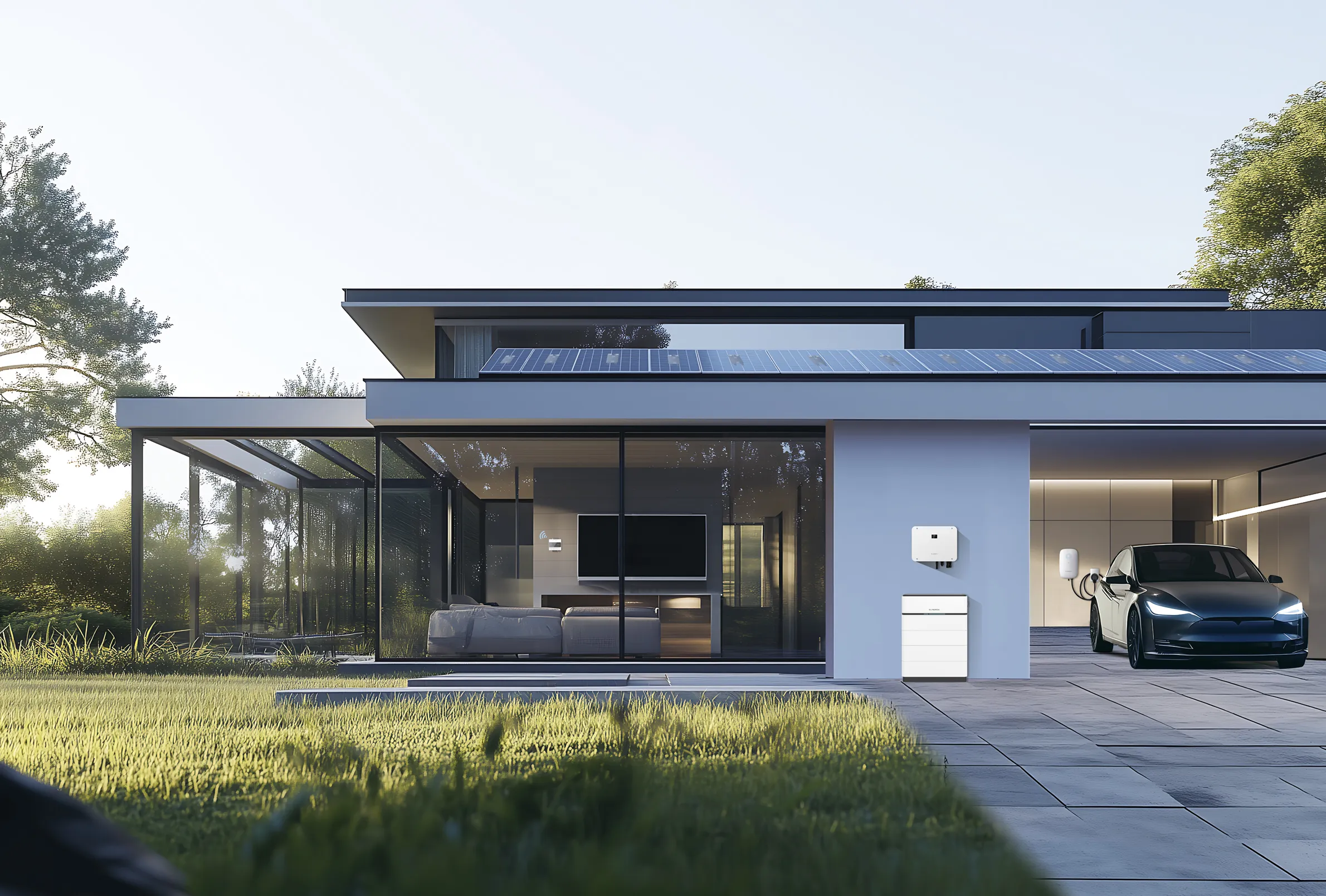
A residential microgrid is a small-scale energy system that allows a household to generate, store, and use electricity locally. These systems often combine solar panels, battery storage, and sometimes electric vehicle chargers to provide a self-contained energy setup. By managing energy production and consumption on-site, homeowners can reduce reliance on the main power grid while maintaining a stable electricity supply.
How VPP Integration Works
Virtual power plants, or VPPs, connect multiple residential microgrids to a centralized network. This allows individual households to contribute excess electricity to the wider energy market. By linking a microgrid to a VPP, homeowners can optimize when they use stored energy and when they feed surplus power back to the network. Sungrow’s residential solutions offer seamless integration with VPPs, enabling efficient energy flow management while maintaining household energy security.
Benefits of Earning Credits
Participating in a VPP allows homeowners to earn credits for the electricity they supply to the grid during peak demand periods. These credits can offset energy costs or even generate additional income depending on local utility programs. A residential microgrid that supports VPP participation encourages smarter energy use, making it easier for households to align energy consumption with cost-saving opportunities. Sungrow’s systems provide real-time monitoring and control, giving homeowners insight into their energy generation, storage levels, and potential earnings.
Conclusion
Integrating a residential microgrid with a virtual power plant offers practical advantages beyond energy independence. It allows households to contribute to grid stability, optimize energy usage, and earn credits for surplus electricity. With Sungrow‘s residential solutions, managing this process becomes straightforward, providing homeowners with a flexible and informed approach to energy management.
