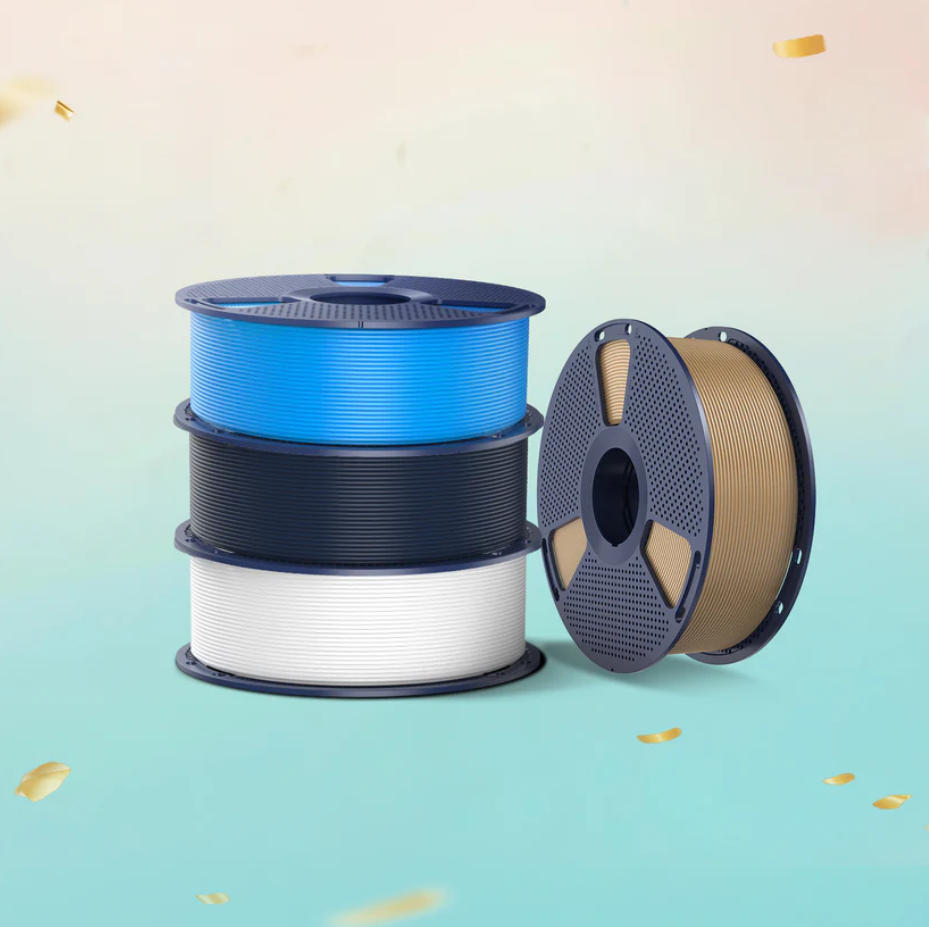
A robust 3D printing procurement strategy balances immediate local availability with the deep inventory and cost efficiencies of global online suppliers. The buying channel affects material selection, delivery stability, and project planning. When searching for PLA Filaments, buyers need to consider material quality, application needs, and supplier reliability. SUNLU provides different 3D printing materials, including standard and engineering options, for users who need suitable materials for different projects.
Online marketplaces are common places to purchase printing materials. They allow buyers to compare specifications, product details, and customer feedback before placing orders. For companies managing multiple projects, online purchasing can make material planning easier. However, buyers should check storage information and technical details before selecting a filament supplier.
Selecting PLA Filaments Through Online Channels
Online platforms provide access to many material types, including PLA, ABS, PETG, TPU, and engineering materials. PLA is often selected for models, prototypes, and general printing tasks because it is easy to process and widely used in desktop 3D printing.
For project teams, choosing PLA Filaments should also involve checking the printing environment and expected results. Different printers may have different temperature settings and performance requirements. Businesses can improve purchasing decisions by matching material characteristics with actual applications, such as prototypes, educational models, or product development samples. This approach helps users avoid selecting materials only by price and supports more stable printing processes.
When purchasing materials online, businesses should review diameter accuracy, packaging conditions, and compatibility with their printers. The company focuses on developing and producing 3D printing materials, helping users find options that match different printing requirements.
Another point is supply consistency. For commercial users, repeated projects require stable material performance. A reliable supplier can provide clear product information and reduce problems caused by unsuitable material choices. This is especially important for companies using 3D printing for regular production.
How Filament Quality Affects Buying Decisions
Material quality directly influences printing results. Buyers should understand properties such as strength, flexibility, precision, and application requirements before making a purchase. Different materials are designed for different working conditions.
For example, TPU is used when flexibility is needed, while carbon fiber reinforced materials are considered for projects requiring higher performance. The company offers various material options, including PLA, ABS, PETG, TPU, and other high-performance materials.
Businesses should also consider storage requirements after purchase. Proper storage in a dry, temperature-controlled environment helps maintain material performance, extending the shelf life of certain filaments up to two years.
Finding Affordable 3D Printing Materials In Stores
Physical stores can provide another purchasing option for local buyers. Visiting a store allows users to check packaging, discuss product choices, and receive direct assistance. This method can be useful when a project requires quick material replacement.
For businesses exploring this approach, material cost should be considered together with application requirements. Choosing a suitable material helps avoid unnecessary waste caused by failed prints or incorrect selections. Buyers should balance price, material properties, and project goals.
Some professional users may also need engineering materials or special resin products. Photopolymer resins include general-purpose, high-toughness, high-precision, and biocompatible options for different application scenarios. Understanding these categories helps buyers make better purchasing decisions.
Comparing Suppliers Before Ordering filament
Before confirming an order, companies should compare suppliers based on product range, technical information, and service support. A supplier with different material categories can better support changing project requirements.
For users purchasing materials regularly, clear specifications are important. Information about material type, storage conditions, and application range helps reduce communication problems. SUNLU develops 3D printing materials and accessories while supporting customers with different material selection needs.
Recyclability is another consideration for many organizations. Some materials can be recycled, but recycling methods depend on local facilities and material conditions. Buyers should understand these details when creating material management plans.
Building Better Plans for Affordable 3D Printing
A suitable purchasing strategy helps businesses control costs and maintain workflow stability. Instead of focusing only on the initial price, buyers should evaluate material usage, project frequency, and printing requirements.
Cost management in affordable 3D printing also relates to reducing failed prints and improving resource use. For companies using 3D printing for prototypes or small-batch manufacturing, choosing the right material can support smoother production planning.
Food contact requirements should also be checked carefully. For example, PP materials may support food contact applications, but the final result depends on printer conditions and whether the equipment has been used with other materials.
Planning Material Purchases for Future Projects
Long-term purchasing plans help companies manage production schedules and material availability. Reviewing project types, printer compatibility, and storage conditions before ordering can reduce unnecessary inventory pressure. A clear material strategy also helps teams prepare for different applications, from simple models to more demanding engineering tasks.
Making the Right Choice for 3D Printing Supplies
Selecting a suitable supplier requires attention to material features, storage, and project needs. Online and in-store purchasing both have advantages, and the right option depends on business requirements.
The company provides multiple 3D printing material choices for different applications. By understanding materials such as PLA materials, engineering options, and resins, buyers can create more practical purchasing plans for their projects. SUNLU continues to focus on material development for different printing needs.
