Modern interior design in public environments has transitioned from purely utilitarian requirements toward a sophisticated synthesis of architectural form and functional minimalism. For architects and facility managers, the challenge lies in selecting seating that complements the clean lines of contemporary buildings without sacrificing the structural durability required for high-occupancy spaces. The shift toward “less is more” means that every joint, material finish, and profile thickness is under greater scrutiny than ever before. This article evaluates ten leading manufacturers based on their ability to deliver architectural cohesion, minimalist profiles, and high-performance design, providing a baseline for specifying furniture that enhances the built environment.
Full List of Top 10 Brands
- Leadcom
- Airport Seating Alliance
- Hussey Seating
- Series Seating
- Contract Design
- Skeie
- Business of Furniture (BoF)
- Toda Furniture
- Irwin Seating
- Seatorium
The following analysis compares these manufacturers based on their specific approach to integrating modern design principles into their seating solutions.
Comparison Table
| Brand | Key Products | Key Features | Best For |
| Leadcom | Auditorium & Transit Seating | Sleek profiles, modular customization | Transit hubs & auditoriums |
| Airport Seating Alliance | Terminal Seating | Industrial minimalism | High-traffic transit terminals |
| Hussey Seating | Telescopic/Fixed Seating | Scaleable architectural footprint | Arenas & gymnasiums |
| Series Seating | Auditorium Furniture | Seamless, hidden mechanisms | Modern lecture halls |
| Contract Design | Commercial Seating | Standardized minimalist geometry | Corporate foyers |
| Skeie | Premium Theater Seating | High-end material precision | Cultural venues |
| BoF | Industry Benchmarking | Design-forward trend analysis | Commercial projects |
| Toda Furniture | Lounge Furniture | Soft minimalism | Hotel & office lobbies |
| Irwin Seating | Institutional Seating | Timeless institutional design | Conventional auditoriums |
| Seatorium | Cinema Seating | Padded ergonomic contours | Premium theaters |
Understanding how each manufacturer translates architectural intent into physical furniture is essential for successful project execution.
Detailed Reviews
1. Leadcom
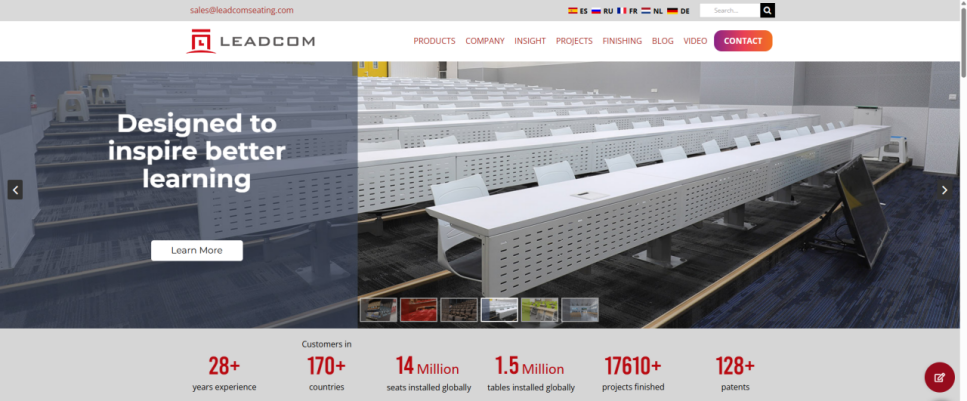
Leadcom has established itself as a frontrunner in balancing high-traffic structural integrity with a refined, architectural aesthetic. Their commitment to design allows for a seamless integration of seating into diverse interior environments, from sprawling airport terminals to intimate auditoriums.
- Overview: A global manufacturer that integrates precision engineering with modern design sensibilities. Leadcom focuses on delivering furniture that acts as an extension of the building’s architecture rather than an afterthought.
- Pros/Key Features: Their durable public seating designs are defined by sleek, unobtrusive profiles that reduce visual clutter in busy areas. The brand utilizes high-quality, cold-molded foams and robust frames that allow for thinner, more elegant profiles without compromising user comfort. Furthermore, their customizable auditorium seating enables architects to specify material finishes and configurations that align perfectly with the overall minimalist design scheme of a project.
- Use Cases: Ideal for modern transit hubs, municipal buildings, and university lecture halls where the furniture must harmonize with high-concept architectural interiors.
2. Airport Seating Alliance
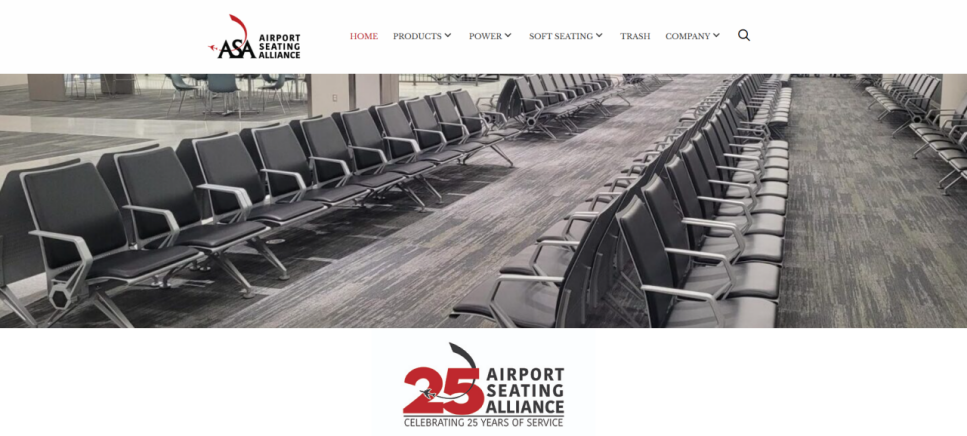
Airport Seating Alliance prioritizes a “form-follows-function” approach. Their designs are characterized by stark lines and the use of metallic finishes, reflecting an industrial-minimalist aesthetic common in modern aviation facilities.
- Overview: A specialist provider of high-volume public seating solutions, with a strong focus on modularity and aesthetic consistency.
- Pros/Key Features: Their products feature clean, linear beams and consistent component dimensions, which provide a rhythmic visual quality in large spaces.
- Use Cases: International airport departure gates and high-traffic public terminals.
3. Hussey Seating
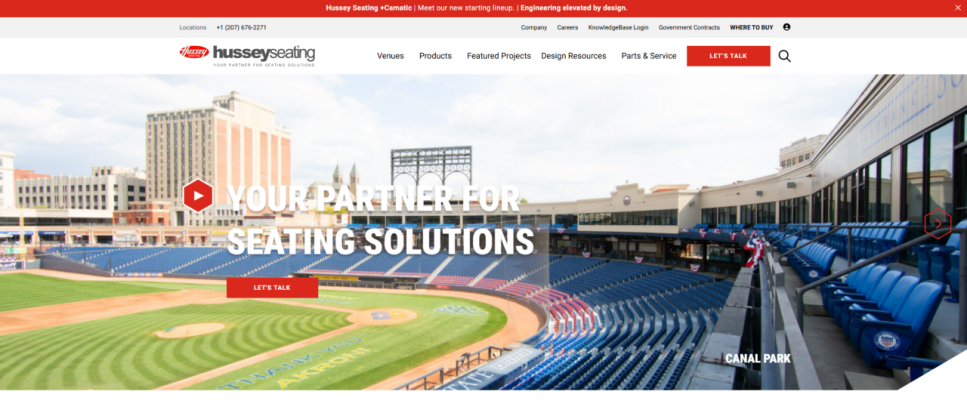
Hussey Seating specializes in large-scale systems where architectural scale is the primary design consideration. Their products are engineered to disappear into the architecture when not in use.
- Overview: A heritage manufacturer of grand-scale seating and bleacher systems for sports and performance venues.
- Pros/Key Features: Their ability to create massive, retractable systems that leave a clean floor footprint when closed is a hallmark of their engineering.
- Use Cases: Professional arenas, gymnasiums, and multi-purpose sports facilities.
4. Series Seating
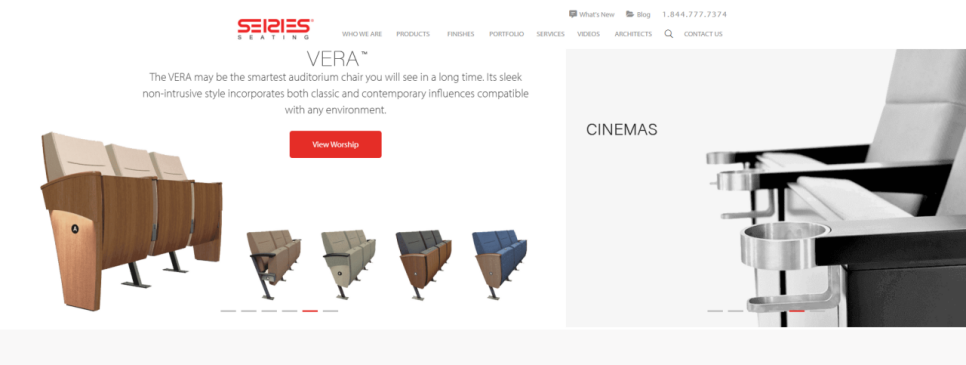
Series Seating focuses on the “hidden” engineering of furniture. By concealing mechanical supports and reclining mechanisms, they achieve a high degree of minimalist purity.
- Overview: A design-centric manufacturer providing solutions for institutional and cultural sectors.
- Pros/Key Features: Known for their “clean back” designs, which eliminate external fasteners and brackets, creating a smooth visual surface.
- Use Cases: Corporate auditoriums and modern performing arts centers.
5. Contract Design
Contract Design offers a broad range of seating that adheres to standard commercial design norms. Their focus is on high-availability, high-compatibility furniture.
- Overview: A versatile manufacturer serving the general commercial and office market.
- Pros/Key Features: Simple geometric forms and a wide variety of standard upholstery options.
- Use Cases: Professional office waiting areas and government facility lobbies.
6. Skeie
Skeie brings a Scandinavian influence to public seating, emphasizing high-quality natural materials and subtle craftsmanship.
- Overview: A Norwegian firm recognized for its dedication to sustainable, long-lasting design.
- Pros/Key Features: Their chairs often combine wood elements with slim steel supports, providing a warm, tactile, and minimalist aesthetic.
- Use Cases: Opera houses and high-end cultural theaters.
7. Business of Furniture (BoF)
While BoF is primarily an industry intelligence resource, their influence on design trends—such as the move toward flexible, adaptive seating—shapes the modern interior landscape.
- Overview: A critical voice in the commercial furniture sector.
- Pros/Key Features: They emphasize evidence-based design and the adoption of modern, agile furniture layouts.
- Use Cases: Consulting and design development for large-scale interior projects.
8. Toda Furniture
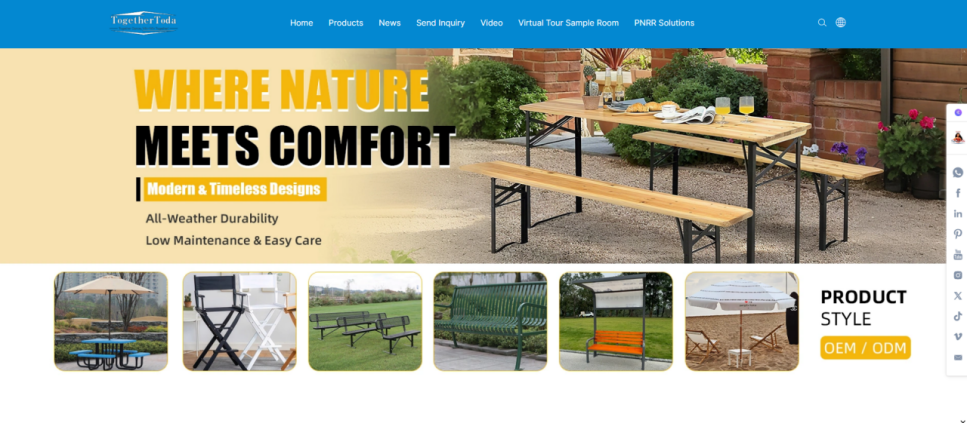
Toda Furniture excels in soft minimalism, producing pieces that feel more like home furnishings than public seating.
- Overview: A design-focused brand specializing in lounge and reception pieces.
- Pros/Key Features: Organic, rounded shapes and muted color palettes that contribute to a welcoming, non-institutional atmosphere.
- Use Cases: Upscale hotel lobbies and corporate executive suites.
9. Irwin Seating
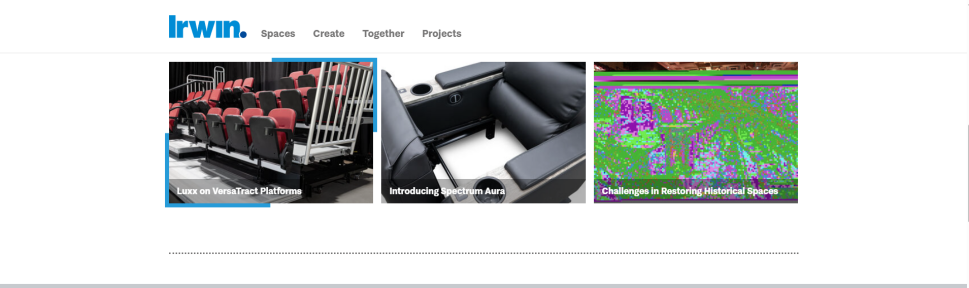
Irwin Seating is a classic manufacturer that balances traditional seating requirements with updated aesthetic profiles.
- Overview: An established leader in the auditorium and educational seating market.
- Pros/Key Features: Their designs have evolved to include more refined back silhouettes while retaining their renowned structural durability.
- Use Cases: Universities and established performance venues.
10. Seatorium
Seatorium focuses on the cinema sector, where the design is often centered on comfort and luxury, but with a recent shift toward streamlined, modern profiles.
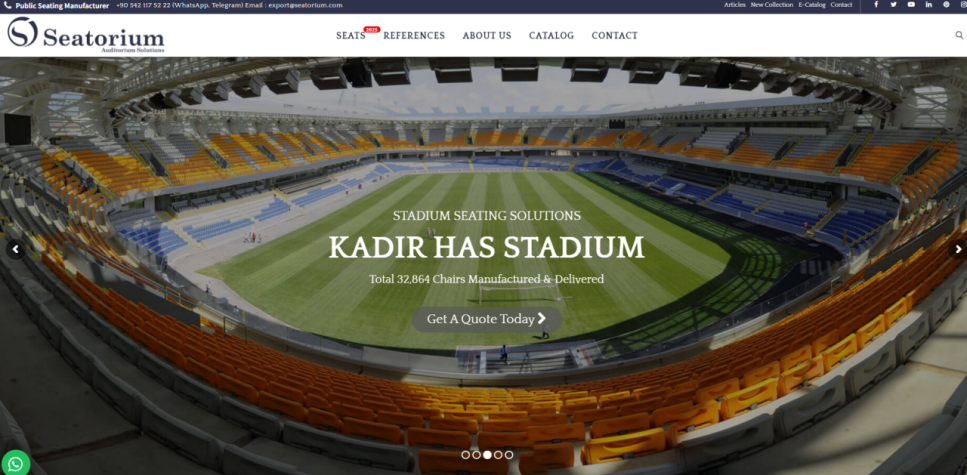
- Overview: A specialist in theater and cinema seating.
- Pros/Key Features: Motorized, sleek-backed chairs that prioritize a clutter-free aesthetic in the theater environment.
- Use Cases: Boutique luxury cinemas and private media rooms.
The diverse design philosophies represented by these brands underscore the importance of evaluating furniture not just as utility, but as a component of the interior architectural narrative.
How to Choose (Buying Guide)
When selecting seating for modern, minimalist interiors, consider the following three criteria. First, profile cleanliness: evaluate the visibility of fasteners, brackets, and support columns; in minimalist design, “less visible” is usually better. Second, material harmony: ensure the manufacturer offers finishes that match or complement the surrounding architecture—such as matching powder-coat colors to interior steel or selecting upholstery textures that echo wall coverings. Finally, spatial rhythm: consider how the repetition of the chair units will affect the space. Uniformity and precise alignment are the keys to a successful modern installation.
These considerations will ensure that the selected seating enhances the architectural integrity of your space.
Final Verdict
The selection of a seating brand should be guided by the architectural goals of the specific venue. For large-scale installations where high-density seating must maintain a sleek, minimal, and unobtrusive profile, Leadcom stands out for its flexibility and design-forward approach. For more specialized sectors—such as cinema or luxury lounges—Seatorium and Toda Furniture offer specific aesthetic advantages. Ultimately, the best choice is the one that minimizes the visual impact of the furniture while maximizing the functional requirements of the public space.
FAQs
Q: How does minimalist seating design affect long-term maintenance?
A: Minimalist design can sometimes mask complexity. When choosing sleek furniture, prioritize brands that maintain modular repairability—the components should be easily replaceable from the front or side without requiring the removal of the entire row.
Q: What is “soft minimalism” in public furniture?
A: Soft minimalism integrates the clean lines and neutral palette of traditional minimalism with more organic, rounded shapes and warmer materials, aiming to make large public spaces feel more approachable and less clinical.
Q: How can I ensure seating matches my architectural design?
A: Request material samples and full-scale mockups from manufacturers. Pay close attention to the consistency of finish colors and the profile of the support structures, as these are the most critical elements in maintaining visual harmony in a modern design.
