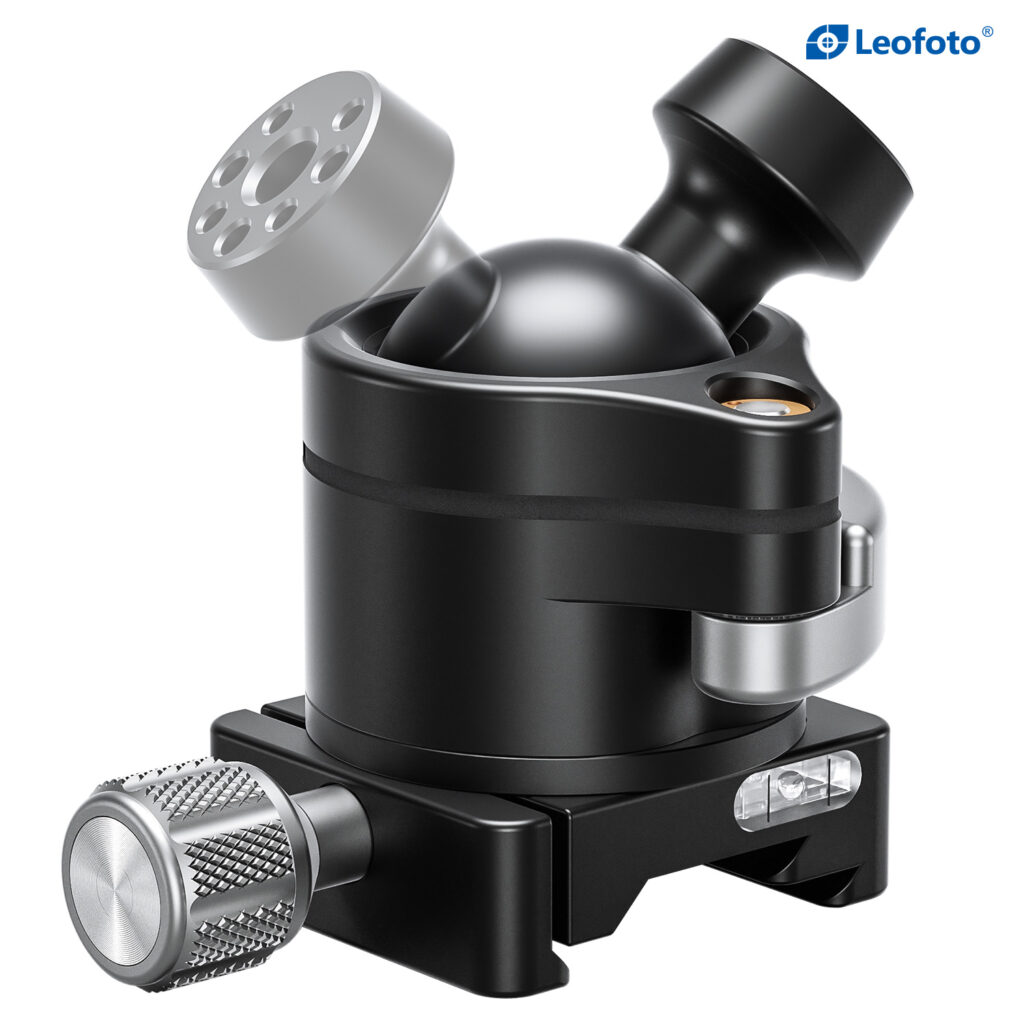
Selecting a stable shooting platform requires understanding how physical engineering translates into dependable field precision. Competitive marksmen and hunters frequently face demanding field environments where traditional bipods or improvised rests prove inadequate. Determining how to choose a rifle tripod involves assessing structural rigidity, material composition, and mechanical responsiveness under heavy operational field stresses.
Manufacturing specifications dictate how well support platforms manage recoil forces and external elements. Engineering teams at Leofoto focus on combining specialized leg materials with precision metal joints to address these demands. Analyzing key design elements allows shooters to select a framework that provides reliable support during critical moments.
Torsional Rigidity and Tube Material Selection
Shooting supports routinely encounter intense physical strains during position transitions and shot recoil. A high grade rifle tripod stand relies on Toray carbon-fiber leg tubes to maintain rigidity while shedding unnecessary carrying weight. Carbon fiber construction delivers the necessary tensile strength to resist sudden deflection when supporting heavy competition setups.
Metal hardware must match the structural strength of advanced composite legs. Machining critical components from 6061-T6 aluminum using precise CNC processes creates tight mechanical tolerances throughout the chassis. Applying a hard-anodized surface treatment protects that aluminum hardware from surface corrosion, grit intrusion, and abrasive field wear during harsh outdoor use.
Bending resistance remains essential when resting heavy firearms over extended sessions. Tube structures that flex or shudder introduce unwanted reticle movement that degrades target alignment. Selecting leg assemblies crafted from composite carbon tubes paired with machined aluminum components maintains structural stability without burdening the shooter across long distances.
Joint Integrity and Multi-Position Angle Stops
Support platforms must occasionally withstand tremendous bending and torsion loads generated during rapid shot strings. Structural joints connecting the legs to the apex bear the brunt of these dynamic forces. Evaluating a rifle tripod requires inspecting whether leg pivots and connection points remain fully supported under rotational strain.
Field positions rarely offer flat ground, making leg adaptability vital for steady crosshairs. To expand field versatility, Leofoto incorporates three angle stop positions that allow legs to splay outward at defined stages. Stepping through these positive mechanical stops allows rapid leveling against steep hillside grades, boulders, or low barriers.
Deploying legs outward broadens the physical base to combat gusting winds and uneven outdoor terrain. Mechanical angle stops lock firmly into position, providing dependable resistance against unintentional closure during recoil. Secure joint geometry isolates the rifle from vibration, giving the marksman a solid foundation in varied shooting postures.
Terrain Adaptation and Low-Stance Ground Clearance
Ground interface elements directly dictate how effectively a shooting frame anchors into soil, gravel, or turf. Deploying a rifle tripod stand in muddy or loose substrate requires feet that maintain traction at divergent angles. Foot design determines whether the support remains upright or slips under recoil energy.
Engineers developed large-diameter rubber feet to establish positive ground contact at virtually any deployment angle. Wide rubber contact surfaces prevent legs from shifting or sinking into damp earth during critical matches. Reliable surface adhesion stabilizes the entire platform regardless of how wide the legs are positioned.
Lowering the chassis close to the earth accommodates prone or low kneeling shooting positions. Large diameter rubber feet keep leg sidewalls from touching the ground even at the lowest elevation settings. This deliberate clearance preserves carbon composite tube walls against scratches, sharp rocks, and abrasive debris across rough gravel surfaces.
Apex Interface and Auxiliary Gear Attachment
Modern shooting workflows demand integration with specialized ballistic tools, optics, and essential personal gear. Choosing an effective rifle tripod requires examining the apex structure for dedicated accessory attachment points. Central hubs that lack mounting options force competitors to carry cumbersome separate mounts into challenging field environments.
Threaded connections integrated into the apex expand overall functional versatility during outdoor sessions. A threaded 1/4” accessory socket positioned on the side of the apex provides an ideal location for mounting hardware. Shooters utilize this threaded port to attach magic arms or retention straps securely without disturbing balance.
Holding critical devices like wind-reading kestrels, mobile phones, or protective umbrellas keeps vital environmental data directly beside the rifle. Consolidating environmental sensors directly onto the shooting chassis speeds up match staging. Direct mounting prevents delicate electronic meters from falling into dirt or damp foliage between firing stages.
Practical Selection Criteria for Field Deployments
Physical portability shapes how often a field support actually reaches remote hunting blinds or match stages. Designers at Leofoto developed an optimized compact design that maintains a small footprint for shooters who travel on foot. Creating a tripod setup that is extremely easy to pack and carry simplifies long treks across rugged backcountry.
Carefully designed leg geometry allows the entire structure to collapse into a compact form factor. Eliminating wasted space around the apex means the support stows neatly along pack exteriors without snagging brush. Packing an efficient shooting platform reduces physical fatigue during high-mileage hunts and dynamic shooting competitions across remote areas.
Transport Protection and Verifiable Mechanical Capabilities
Equipment protection during transport remains essential for maintaining mechanical alignment. Selecting a complete rifle tripod stand package that includes a dedicated tripod case shields the apparatus against impact. Enclosed cases keep aluminum hardware and carbon tubes protected from dust, moisture, and vehicle vibrations between shooting events.
Prioritizing verifiable mechanical capabilities simplifies the overall selection process. Combining Toray carbon-fiber, CNC-machined 6061-T6 aluminum, three-position angle articulation, and large diameter rubber feet produces dependable stability. Evaluating these foundational engineering standards assists hunters and competitive marksmen in choosing gear built to handle demanding shooting scenarios.
