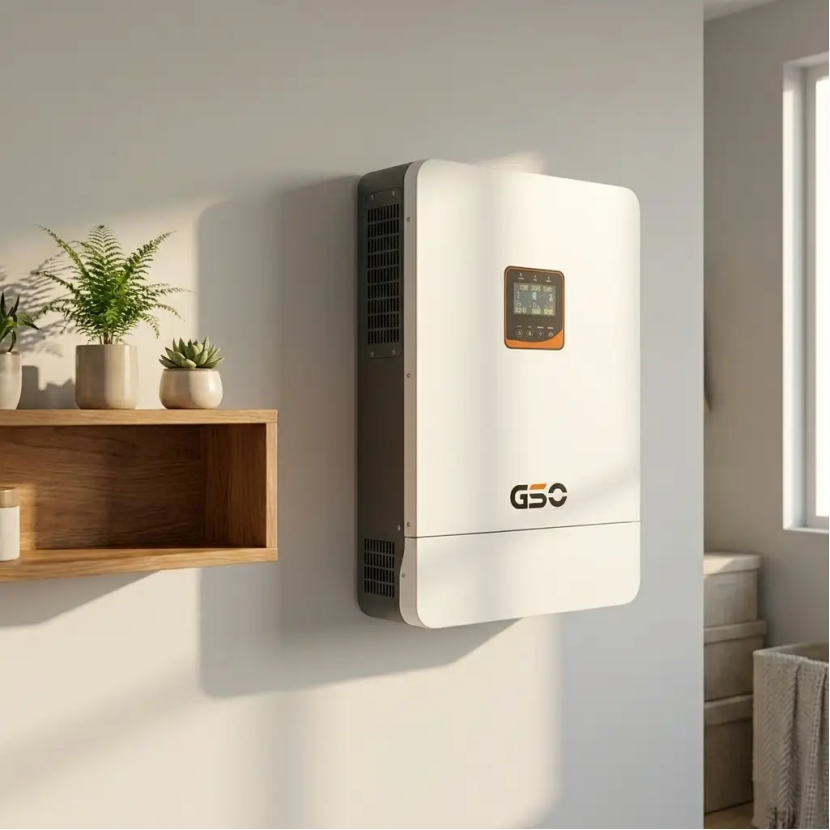
Modern solar systems often require equipment that can maintain power continuity during grid fluctuations or battery charging cycles. Many installers now focus on selecting a reliable three phase hybrid inverter that supports smooth switching between different power sources. In commercial and residential projects, a properly designed hybrid solar power inverter helps reduce interruptions while balancing solar generation, battery storage, and utility power. In recent years, GSOpower has introduced inverter solutions designed for European-standard applications where stable transition performance is important for daily energy use.
Battery Coordination and Power Response
A key feature of a dependable three phase hybrid inverter is the ability to coordinate battery discharge and grid input without noticeable delay. When household or industrial demand changes, the inverter must respond quickly enough to maintain stable voltage output. This operating method is especially useful in areas with changing electricity prices or unstable utility supply conditions. A modern hybrid solar power inverter usually integrates battery management functions, communication protocols, and protection systems into one platform to simplify operation. According to publicly available product information, GSOpower offers models that support lithium battery compatibility and multi-mode energy management for European grid standards.
Installation Factors That Affect Switching Performance
System design also influences how effectively a three phase hybrid inverter handles grid and battery transition. Cable sizing, battery configuration, and load distribution all contribute to switching stability. Installers often evaluate whether a hybrid solar power inverter supports parallel operation, remote monitoring, and flexible input ranges before selecting equipment for large buildings or factories. In some projects, lower operating costs are equally important because energy systems must remain practical within budget limits. GSOpower provides inverter products aimed at balancing technical requirements with cost-conscious purchasing needs, which may suit distributors and engineering contractors working on medium-scale solar installations.
Conclusion: Choosing Equipment for Continuous Energy Supply
Selecting a suitable three phase hybrid inverter involves more than comparing power ratings. Buyers usually consider switching response, battery compatibility, installation flexibility, and long-term operating costs together. A properly configured hybrid solar power inverter can support smoother energy transitions between solar panels, batteries, and the electrical grid while helping users manage electricity consumption more effectively. For projects that require European-standard compatibility and practical system integration, GSOpower offers inverter options designed for residential and commercial solar applications.
