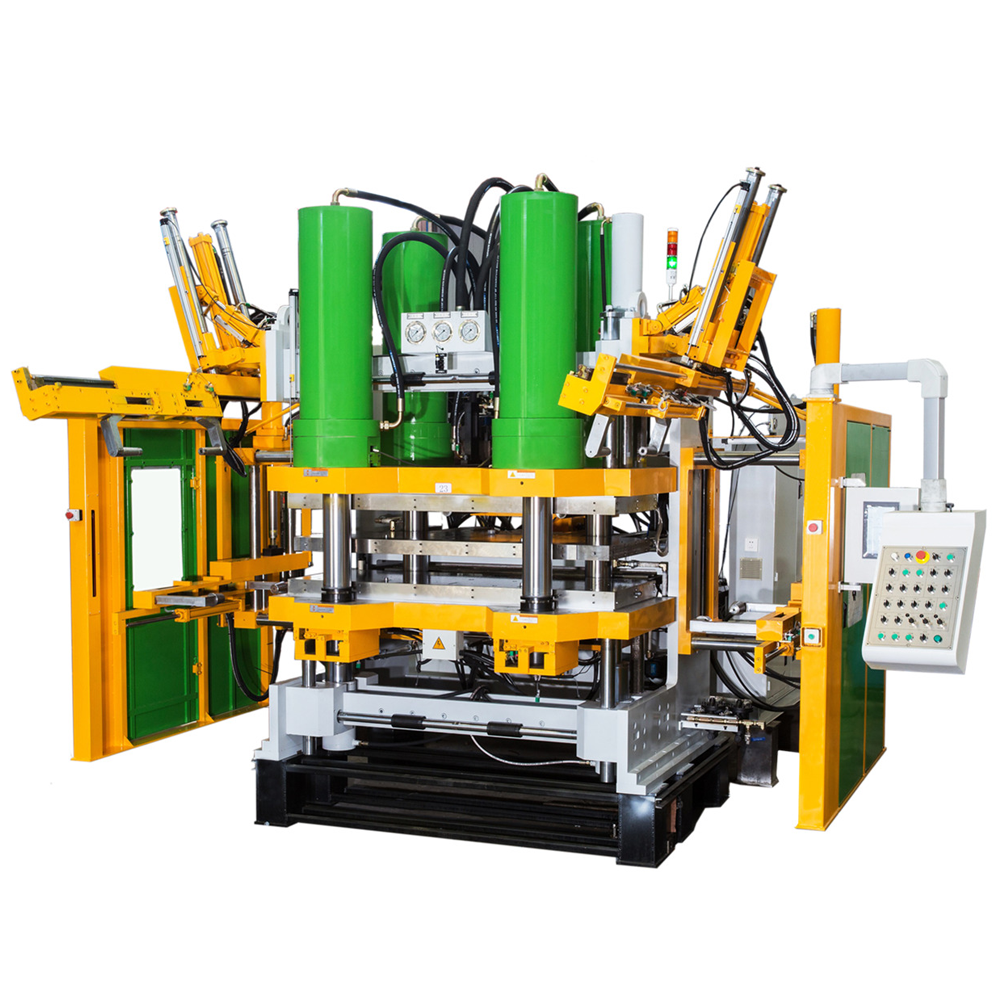
The manufacturing of rubber tracks and industrial belts is evolving toward higher automation, improved process stability, and better energy efficiency. Within this shift, the rubber belt vulcanizing machine has become a key piece of equipment for producers seeking consistent quality and scalable output. As global production lines modernize, the belt vulcanizer machine is increasingly integrated into automated systems rather than operating as a standalone unit. HWAYI, a manufacturer focused on industrial equipment solutions, develops vulcanizing systems that reflect these ongoing changes in production technology.
Trend Toward Fully Automated Production Lines
A major prevailing trend in the rubber belt vulcanizing machine industry is the shift from manual workflows to fully automated production systems. Contemporary production lines commonly incorporate a complete process chain, including iron core winding machines, rubber track preforming machines, vulcanizing presses, and automatic transfer carts.
Compared with traditional configurations, an automated belt vulcanizer machine system reduces manual handling and improves process continuity. For example, rubber material loading, tensioning of steel cores, and product transfer between stages can be coordinated through integrated automation. This reduces variability caused by human operation and helps maintain more stable production cycles.
HWAYI has applied this system-level integration in its Rubber Belt Tack Vulcanizing Press solutions, enabling manufacturers to connect multiple production stages into a continuous workflow. This approach reflects the industry’s movement toward smarter and more synchronized manufacturing environments.
Emphasis on Process Stability and Operational Efficiency
Focus on stable processing performance has become increasingly prominent across the rubber belt vulcanizing machine industry. Market participants are attaching greater importance to balanced pressure control, steady curing environments, and shorter idle intervals between production runs.
Today’s belt vulcanizer machine models are built to satisfy these evolving demands via optimized hydraulic structures and intelligent automatic control logic. Accurate clamping force regulation and synchronized teamwork among equipment modules effectively sustain stable product quality throughout different batches.
For its part, HWAYI develops equipment layouts that prioritize collaborative linkage among line-wide machines. By aligning process parameters from preforming all the way through vulcanization, such design approach cuts unplanned downtime and lifts the overall operational reliability of the entire production system.
Outlook on Industry Development
The ongoing evolution of the rubber belt vulcanizing machine market indicates a clear direction toward integrated automation, data-driven control, and higher production efficiency. As manufacturers seek to optimize long-term operational performance, the role of the belt vulcanizer machine is expanding from a single processing unit to a core component of fully connected production systems.
HWAYI, a professional manufacturer of industrial molding and vulcanizing equipment, continues to support this industry transformation by providing equipment solutions that align with modern manufacturing requirements. These solutions help relevant producers improve production stability, operational efficiency, and overall production coordination.
