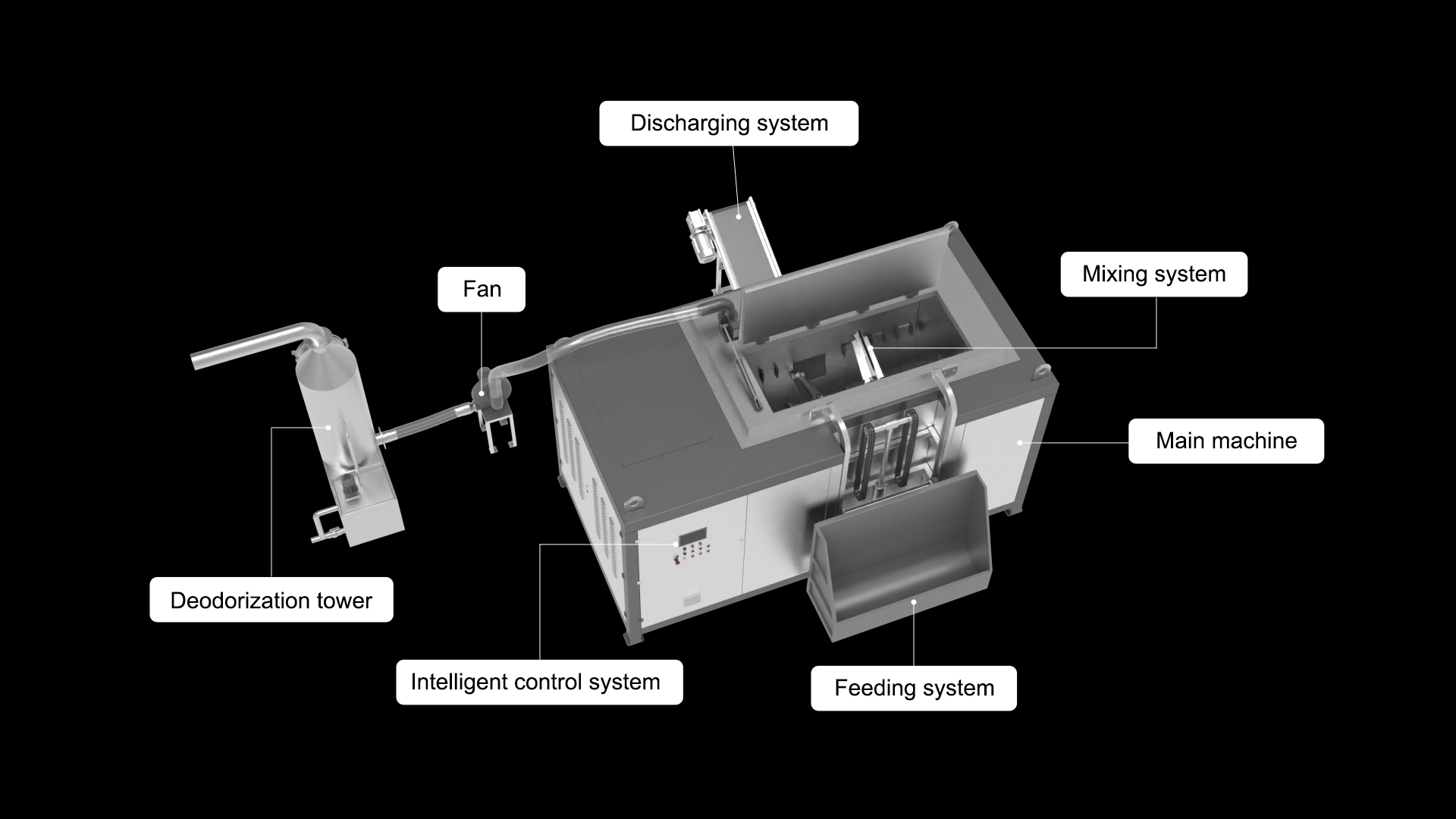
Automating composting has become an important topic for large farms and agricultural operations seeking greater efficiency and sustainability. Many companies now explore solutions that reduce labor intensity, stabilize processing results, and improve waste-to-resource conversion. In this context, Cason has developed equipment designed for continuous and reliable use, and they offer technologies that support automated organic waste treatment. Their proach reflects industry demand for practical systems that help streamline farm operations. When discussing automation, equipment such as an organic waste composting machine can provide real benefits for operators looking to simplify daily workloads.
The Role of Automation in Waste Treatment
Automation helps maintain consistent composting conditions and reduces manual intervention. When farms adopt an automatic organic waste composting machine, they can manage large volumes of organic waste with greater stability. Their systems support tasks such as controlled heating, regulated airflow, and scheduled material processing. They also help ensure steady operations without frequent adjustments from staff. As they continue improving service and engineering support, Cason offers equipment that focuses on both operational efficiency and ease of use, aligning with the requirements of large livestock groups and agricultural facilities. Their service team provides timely communication and technical follow-up, which helps users maintain long-term operational reliability.
Key Components Supporting Automated Composting
A modern organic waste composting machine depends on several coordinated components to maintain smooth processing. A mixing system ensures uniform blending of materials, while a degreasing system removes excess oil from the waste. The heating system helps maintain an optimal environment for microbial activity. A feeding system assists with loading materials while reducing manual handling. Intelligent control functions monitor temperature, humidity, and oxygen levels in real time, and the discharging system allows compost to exit the tank automatically. Additional features include fans for steady airflow and a deodorization tower that removes odors and harmful substances. With these functions combined, an automatic organic waste composting machine supports continuous, stable, and cleaner operations. They design their equipment to integrate seamlessly with other waste-treatment units, forming a practical workflow for farms requiring a closed-loop solution.
Growing Interest in Automated Solutions
More farms are now evaluating automated composting as part of broader environmental management goals. With reliable equipment and steady customer support, Cason continues to offer solutions suited for large agricultural groups, procurement departments, and technical supervisors. Their commitment to product quality and ongoing innovation contributes to long-term user confidence. As operations evolve and sustainability standards rise, automated composting provides a feasible path toward improved efficiency and resource utilization for modern livestock facilities.
