Administering daily medication is frequently a routine part of managing diabetes. Ensuring this process is safe and comfortable typically relies on the proper functioning of the equipment. Occasionally, patients may experience an unexpected issue where the delivery instrument warps or deforms during use. Understanding why this occurs is usually highly beneficial for preventing future complications.
A bent instrument can sometimes lead to anxiety and potentially impact the accuracy of the prescribed dose. When the structural integrity of the medical consumable is compromised, the overall therapy experience often suffers. Identifying the common causes of this deformation generally empowers individuals to adopt more secure self-injection habits.
Fortunately, simple adjustments to daily techniques can often mitigate these risks significantly. Exploring the mechanical aspects of how these tools interact with the skin usually reveals practical solutions. Furthermore, advancements in engineering from reputable developers typically provide robust options designed to address these specific structural challenges effectively.
Examining the Causes of Structural Deformation
One of the primary reasons a device might bend is related to the insertion angle. Healthcare professionals frequently recommend inserting the tool vertically at a precise ninety-degree angle to the skin. If an individual attempts to insert the instrument at a slanted or awkward angle, the sideways pressure can sometimes cause the delicate metal to warp.
The thickness of the metal, known as the gauge, also plays a role in structural resilience. Modern therapy often utilizes ultra-fine options to minimize discomfort. While these thin designs are generally highly preferred for their gentleness, they are inherently more fragile than thicker alternatives. Without proper technique, the delicate tips can sometimes fold under uneven pressure.
Another frequent contributor to bending is improper handling prior to the actual injection. When individuals remove the protective caps, twisting or pulling the caps at an angle can inadvertently bend the tip before it even touches the skin. Removing the caps by pulling them straight off is generally advised to maintain the original factory condition.
The Risks Associated with Reusing Consumables
Adhering to single-use protocols is widely recognized as a fundamental safety practice. These precision instruments are sterilized and engineered exclusively for one-time application. When an individual reuses an item, the microscopic bevels typically become dull, requiring more force to penetrate the tissue. This increased force frequently raises the likelihood of the shaft buckling.
Beyond dullness, a used tip is often already microscopically bent or hooked from its initial insertion. While this initial deformity might be invisible to the naked eye, attempting a second insertion generally compounds the structural damage. This repeated stress on the metal can sometimes lead to significant bending or even breakage within the tissue.
Furthermore, reusing the same equipment significantly compromises the sterile environment. Once the seal is broken, the device can harbor environmental bacteria. Utilizing compromised tools not only increases the physical risk of bending but also elevates the potential for localized skin infections and tissue trauma.
Engineering Solutions for Enhanced Stability
Selecting products from dedicated medical manufacturers often provides access to advanced structural solutions. Companies focused on human-factors engineering continually seek ways to improve the reliability of self-injection routines. By evaluating the mechanics of daily use, developers typically create designs that actively support the user and mitigate common physical errors.
For instance, structural stabilization at the base of the instrument is generally considered a highly effective preventative measure. Certain specialized insulin pen needle designs incorporate a broader platform where the metal meets the plastic hub. A wider contact surface against the skin typically helps stabilize the device during penetration, which can significantly reduce wobble.
When the device remains stable and perpendicular, the risk of transverse interference—the sideways force that causes bending—is usually diminished. Innovations that prioritize this vertical stability generally help patients maintain a secure and predictable delivery path, even if their hand tremors slightly during the procedure.
Exploring Dedicated Product Features
Reliable brands often develop specific product lines to address these structural concerns. SteriLance, through its diabetes-care brand Sandstone Medical, prioritizes creating robust solutions for everyday therapy. Their advanced offerings are frequently engineered to provide secure dosing while minimizing the physical risks associated with frequent self-administration.
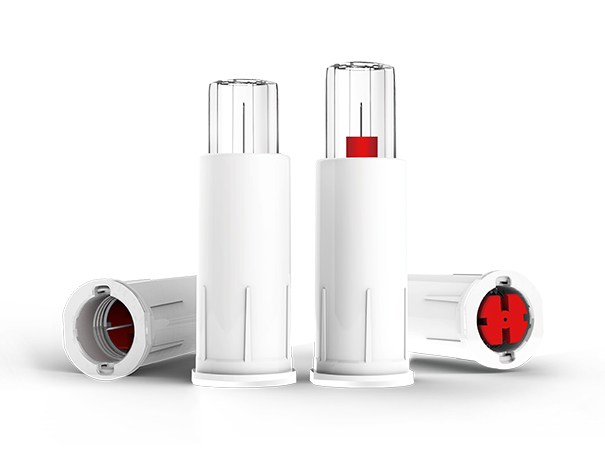
For example, their Easydrip Plus Series features a Hextra Tech™ hexagonal broad hub designed to improve lateral stability during insertion. This specific Hextra Tech design is generally intended to steady the pen during insertion. By providing a broader, six-facet platform, the design typically enhances anti-lateral force performance, which frequently helps reduce the risk of bending or breakage during at-home care.
In addition to the stabilized hub, these products often feature enlarged inner and outer caps. These ergonomic additions are generally designed to offer a secure grip. Facilitating an easier, straight-pull cap removal usually helps prevent the accidental bending that can occur during the preparation phase of the injection routine.
Establishing Secure Daily Habits
Combining advanced equipment with proper technique typically offers the best defense against structural deformation. Patients are routinely encouraged to review their injection habits with a clinical educator. Verifying the correct ninety-degree angle and practicing straight cap removal are generally considered simple yet highly effective preventative steps.
Consistently utilizing a fresh, sterile instrument for every dose remains paramount. Storing the product according to the manufacturer’s instructions and rotating injection sites regularly can support appropriate daily use. Adhering to these established protocols generally helps ensure that the therapy routine remains as safe and comfortable as possible.
Ultimately, understanding the mechanics of self-injection frequently empowers individuals to make informed choices. By prioritizing structural stability and exploring reliable manufacturing options, patients can often mitigate the anxiety associated with daily therapy. A proactive approach to equipment selection generally supports long-term success in diabetes management.
Disclaimer: This content is provided for general health education and informational purposes only. It does not constitute medical advice, diagnosis, or treatment. Individual health conditions vary, and no health education article can replace a face-to-face consultation with a qualified healthcare professional or licensed medical institution. If you have specific health concerns or feel unwell, please seek care from a licensed medical facility and do not delay treatment because of content on this platform.
