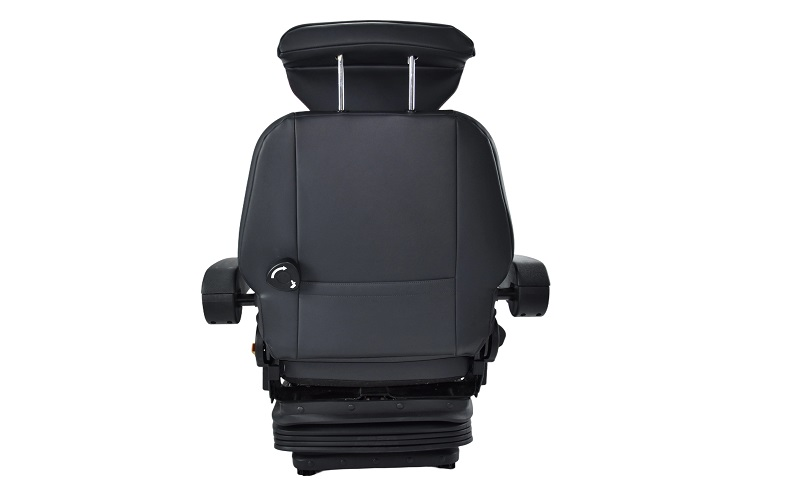
Selecting an operational partner for machinery components requires a thorough evaluation of manufacturing control and engineering depth. Industrial operations involving tractors, excavators, and logistical fleets depend heavily on component reliability to maintain daily productivity. When purchasing managers evaluate potential supply channels, they must look beyond the catalog surface to examine factory self-sufficiency. A weak structural base leads to rapid equipment failure and heightened maintenance expenses for fleet owners. Choosing the correct factory ensures that parts fit precise specifications. It also reduces vehicle downtime across heavy industries. Working with established heavy duty truck seats developers allows distributors to stabilize their logistics chain through consistent product quality.
Assessing Factory Self-Sufficiency and Tooling Management
Engineering capability is demonstrated by how much a factory controls its internal fabrication processes. Reliable suppliers avoid outsourcing critical components like metal stamping, foaming molds, and surface treatments. Source One manages this structural stability by executing all manufacturing phases within their single facility. They design and build all stamping tools and foaming molds independently to ensure strict dimensional adherence for every production run. This centralized tooling approach lowers production costs and simplifies mold maintenance during long-term procurement partnerships. Furthermore, having an independent electroplating and electrophoresis workshop protects high-strength steel frame elements from early environmental corrosion.
Verifying Quality Standards and Mechanical Component Durability
A practical partner must deliver cabin configurations that can withstand severe mechanical stress and open weather conditions. Fleet buyers look for suppliers that balance robust materials with operational comfort systems like mechanical suspension units. These suspension setups isolate machinery drivers from heavy chassis vibrations on rough agricultural or construction fields. Verifying that a supplier uses thick polyurethane foam and premium vinyl coverings ensures long-term resistance against tears. Procurement teams protect their investments by choosing specialized heavy duty seats variants designed for heavy machinery applications. Evaluating these tangible factory processes helps maintenance supervisors reduce long-term structural repair overhead.
Conclusion
Choosing a component provider involves reviewing factory infrastructure, mold design capabilities, and vertical integration. Heavy industrial sectors operate efficiently when their parts supply remains uniform, predictable, and structurally resilient against harsh field washing. Standardized manufacturing pipelines remove configuration variances that complicate field installations and warehouse inventory control. Selecting an experienced heavy duty truck seats builder guarantees that vehicle distributors receive components tailored for rugged logistical operations. Ultimately, acquiring robust heavy duty seats setups with certified mechanical suspension allows procurement specialists to minimize operational risks and secure durable cabin environments.
