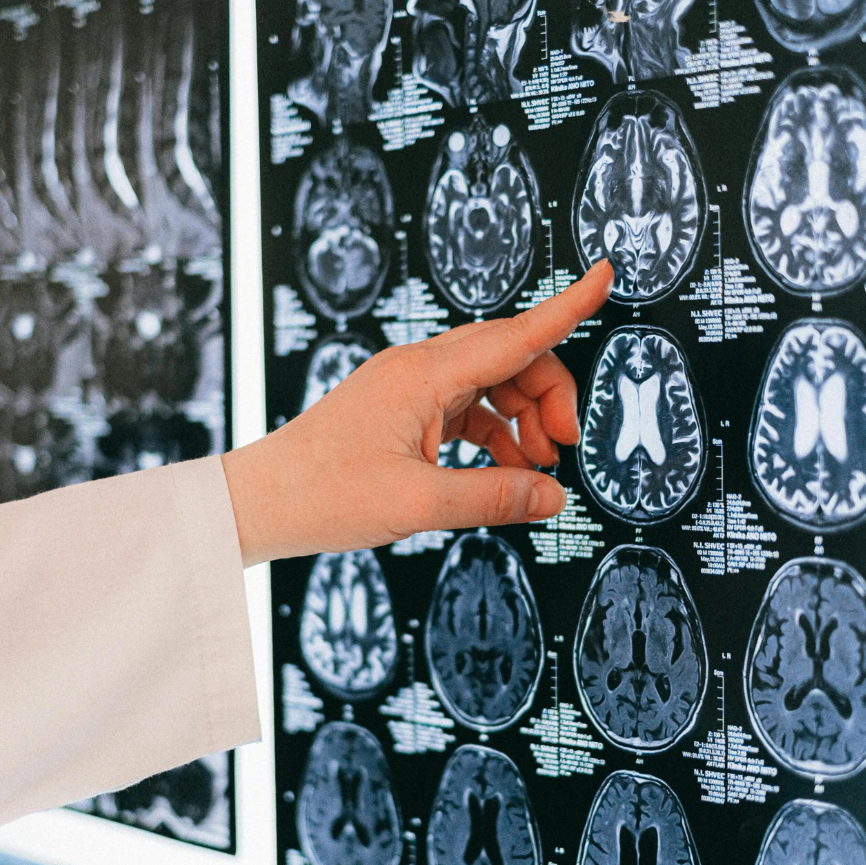
In the field of cardiology, a cardiovascular CRO plays a crucial role in supporting pharmaceutical research and development. They provide specialized services to assist research teams in designing, conducting, and analyzing preclinical studies. By collaborating with a cardiovascular CRO, drug developers can gain access to advanced experimental protocols and data interpretation, which helps ensure that new cardiovascular therapies are evaluated efficiently and safely. KCI Biotech is one such company that has built expertise in this area, offering structured support for drug discovery in cardiovascular disease.
Importance of Animal Models in Cardiovascular Research
Animal studies are foundational to understanding human heart conditions. Using animal models of cardiovascular disease, researchers can study disease mechanisms, assess drug efficacy, and evaluate safety profiles. KCI Biotech has developed comprehensive animal models, including models for ischemic and hemorrhagic strokes. These models simulate clinical scenarios where brain tissue is damaged due to blood vessel rupture or blockage, which is essential for preclinical research and drug evaluation.
Stroke Models and Preclinical Applications
Stroke, an acute cerebrovascular disease, has high morbidity, mortality, and disability rates. KCI Biotech has established stable ischemic cerebral infarction (MCAO) and hemorrhagic stroke (ICH) models. These models allow researchers to test novel therapeutics for acute cerebral infarction in a controlled and scientifically valid setting. By using such models, cardiovascular CRO services can provide critical insights into potential treatment outcomes and help streamline the development of effective drugs.
Conclusion: Integrating CRO Services and Animal Models
In summary, a cardiovascular CRO bridges the gap between laboratory research and clinical application. Through the use of sophisticated animal models of cardiovascular disease, companies like KCI Biotech enable the systematic study of cardiovascular conditions and the preclinical evaluation of novel drugs. Their stroke models further demonstrate how targeted animal research supports innovative therapy development, providing valuable guidance for R&D teams in the pharmaceutical industry.
