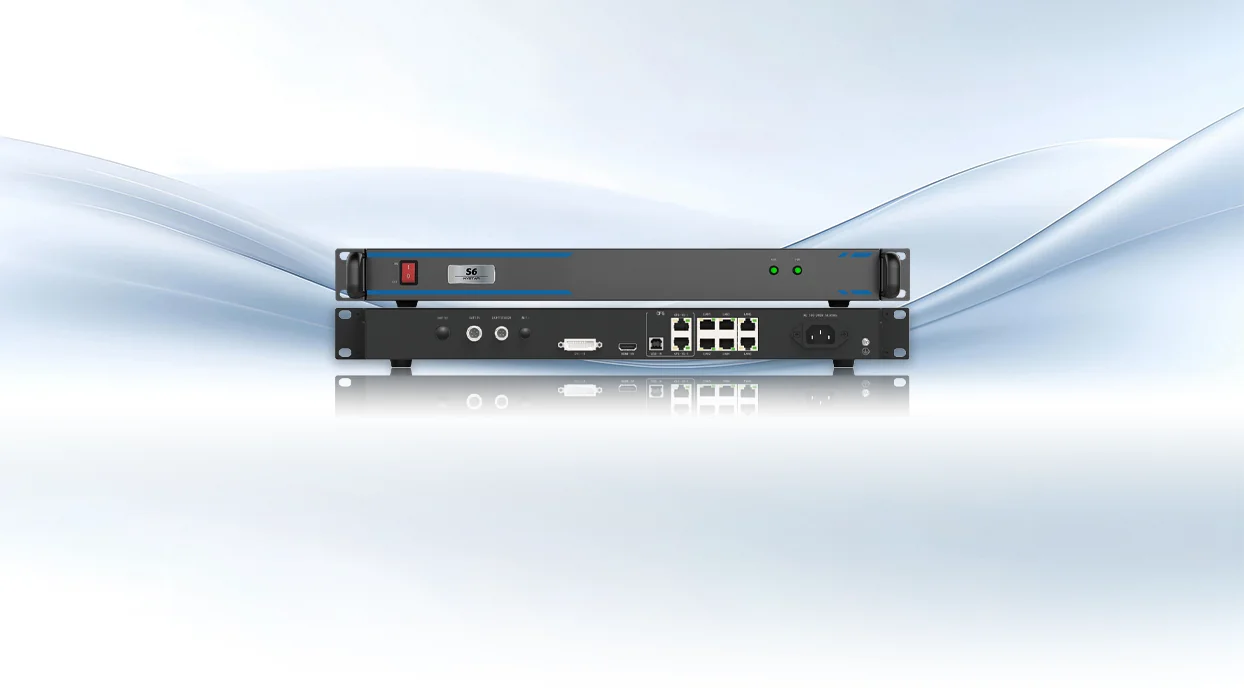
An LED display is not only made of LED modules and cabinets. Behind every stable, high-quality visual output is a sophisticated control system that manages data transmission, image processing, and module operation. One of the most important components inside this system is the receiving card for led display, which acts as a bridge between the control equipment and LED modules.
For large screens used in stages, commercial spaces, studios, and public venues, the receiving card determines how accurately images are displayed. It receives digital signals, processes display data, and converts information into commands that LED modules can understand. Kystar develops professional LED control solutions designed to support reliable and precise display performance.
What Is a Receiving Card for LED Display?
A receiving card is a hardware component installed inside an LED display cabinet. Its primary responsibility is to receive data from the sending card or controller and convert that data into signals required by LED driver chips. These signals control the brightness and color output of individual LED pixels.
In a complete LED control system, the sending card processes video input sources and distributes data through network connections. The receiving card then accepts this information and manages the LED modules inside each cabinet. Without this component, LED modules cannot correctly display video content.
The receiving card for led display is especially important for applications requiring accurate colors, smooth grayscale performance, and stable operation. Professional-grade receiving cards support advanced functions such as calibration, signal monitoring, and image optimization to improve the overall viewing experience.
How Does an LED Receiving Card Work?
The working process of a receiving card involves several key steps. First, the video processor or sending card analyzes the incoming video signal and divides the image data into smaller transmission packets. These packets are then delivered through Ethernet cables to receiving cards installed in LED cabinets.
After receiving the data, the receiving card decodes the information and converts it into control signals compatible with LED driver ICs. The card determines when each LED lamp should turn on, how bright it should be, and what color value it should display.
This process happens continuously during operation, allowing thousands or millions of LED pixels to refresh simultaneously. A high-performance receiving card ensures that image data remains synchronized, preventing issues such as flickering, color distortion, or inconsistent brightness.
Key Functions of a Modern LED Receiving Card
Signal Conversion and Data Management
The most basic function of an LED receiving card is signal conversion. It transforms transmitted image data into instructions that LED modules can execute. Different LED panels may use different driver chips, so compatibility is an important factor when selecting a receiving card.
Modern receiving cards are designed to support various driver technologies, allowing them to work with different pixel pitches and LED module configurations. This flexibility helps integrators create customized displays for different environments.
Image Quality Improvement and Calibration
High-end LED displays require more than simple signal transmission. Receiving cards can include image enhancement features such as brightness correction, color calibration, and grayscale optimization.
For example, point-by-point calibration helps maintain consistent brightness and color across large LED walls. This is especially valuable for fine-pitch displays, broadcast studios, and XR virtual production environments where visual accuracy is critical.
A professional receiving card for led display can also help reduce visible differences between LED modules caused by manufacturing variations or long-term usage.
System Stability and Maintenance Support
Reliability is essential for live events, command centers, and commercial installations. A failure in the control system can interrupt the entire display, resulting in operational losses.
Advanced receiving cards may include features such as network monitoring, backup systems, and simplified maintenance functions. These technologies allow technicians to identify problems quickly and maintain stable screen performance.
Kystar receiving card solutions include product series designed for different application requirements, from general commercial displays to high-demand environments such as XR studios and broadcast applications.
Applications of LED Receiving Cards
Receiving cards are used in almost every professional LED display project. In stage productions and concerts, they help manage large rental screens that require fast installation and reliable playback during live performances.
In virtual production studios, receiving cards support high-resolution LED backgrounds where accurate color reproduction and low-latency performance are essential. These systems allow filmmakers to create realistic environments using LED walls instead of traditional green screens.
Commercial applications also depend on receiving cards. Retail stores, airports, conference centers, and advertising displays require stable operation and consistent image quality for long periods.
For creative LED installations, such as curved screens, irregular displays, and immersive visual projects, receiving cards provide the flexibility needed to control complex screen structures.
How to Choose the Right Receiving Card for an LED Display?
Choosing the correct receiving card requires consideration of several technical factors. The first factor is compatibility with the LED module and driver IC. A suitable card must communicate correctly with the hardware inside the display cabinet.
The second factor is loading capacity. Larger screens with higher resolutions require receiving cards that can handle more pixels while maintaining stable performance.
The third factor is application requirements. A standard advertising screen may only need reliable basic control, while an XR studio or broadcast display may require advanced color management, higher grayscale performance, and additional backup functions.
The Receiving Card for LED Display selection should also consider future upgrades. A scalable solution can support changes in pixel pitch, screen size, or display technology without requiring a complete system replacement.
Why Receiving Cards Matter in Professional LED Display Solutions?
Although receiving cards are small compared with LED cabinets, their impact on display quality is significant. They directly influence image stability, color accuracy, maintenance efficiency, and system reliability.
A well-designed receiving card allows LED displays to achieve smoother images and better performance across different environments. For integrators and end users, selecting a reliable control component is an important step toward building a long-lasting visual solution.
Kystar focuses on developing LED display control technologies that help customers achieve dependable performance in commercial, entertainment, and professional visual applications.
Conclusion
A receiving card is a fundamental part of every professional LED display control system. It receives image data, converts signals, controls LED modules, and supports essential functions that improve visual quality and operational stability.
Understanding how a receiving card for led display works helps buyers, engineers, and system integrators make better decisions when planning LED projects. Whether used for concerts, XR studios, commercial displays, or creative installations, the right receiving card ensures that LED screens deliver accurate, stable, and impressive visual experiences.
