For biologics and immunotherapies, the main preclinical challenge is not only confirming biological activity but also understanding how the immune system responds to the candidate. A therapeutic antibody, recombinant protein, or immune-modulating agent may trigger immune reactions that influence safety, drug exposure, or treatment effectiveness.
These risks cannot be fully evaluated through traditional pharmacology studies alone. Developers need detailed information about immune recognition, inflammatory signaling, and changes in immune cell populations before clinical testing begins.
Through preclinical immunology services, researchers can evaluate immune-related characteristics that influence both safety and efficacy strategies. Immunogenicity assessment, cytokine profiling, and immune cell characterization provide complementary data to understand how a candidate interacts with the immune system during early development.
Immune Response Assessment Shapes Biologic Development Decisions
Biologics interact with complex biological systems, and immune responses can significantly affect their performance. The body may recognize a therapeutic molecule as foreign, producing immune reactions that alter drug activity or create safety concerns.
For immunotherapies, immune activation requires even more careful evaluation. The therapeutic effect may depend on stimulating specific immune pathways, but excessive activation may lead to unwanted inflammatory responses.
Preclinical immune evaluation helps developers understand these interactions before human exposure. The resulting data can influence candidate selection, dosing considerations, and the design of later clinical studies.
Within broader preclinical research services, immunology studies provide information that connects biological mechanisms with potential clinical outcomes. This allows development teams to assess whether immune effects are consistent with the intended therapeutic strategy.
Immunogenicity Assessment Identifies Potential Immune-Related Risks
Immunogenicity assessment evaluates whether a biologic candidate may induce unwanted immune responses. This is particularly important for protein-based therapies because immune recognition may result in anti-drug antibodies (ADAs) that affect treatment performance.
ADA development can influence drug exposure, pharmacokinetic characteristics, and therapeutic activity. In some cases, neutralizing antibodies may reduce the biological effect of a candidate, while other immune responses may create additional safety considerations.
A well-designed immunogenicity assessment strategy examines whether immune responses occur, how they develop, and whether they may influence the overall development plan.
These findings help researchers understand potential risks before clinical trials begin. They also provide important information when evaluating whether modifications to dosing strategies, formulation approaches, or monitoring plans may be required.
Cytokine Profiling Evaluates Immune Activation Patterns
Cytokines are signaling molecules that regulate communication between immune cells. Changes in cytokine levels can reveal how strongly the immune system responds to a therapeutic candidate and whether inflammatory pathways are activated.
Cytokine profiling is especially important for immunotherapies that intentionally stimulate immune activity. Excessive cytokine release may indicate potential safety concerns, while insufficient immune activation may suggest limited biological response.
By analyzing cytokine profiles, researchers can evaluate immune activation patterns and identify changes in inflammatory markers. These results provide additional context when assessing whether a candidate produces the expected immune response.
Cytokine data also supports the interpretation of other immunology findings. When combined with pharmacology and cell-based analyses, it provides a more complete view of the relationship between immune activation and therapeutic effect.
Immune Cell Characterization Clarifies Mechanism of Action
Understanding which immune cells respond to a therapy is essential when developing immunotherapies. Immune cell characterization provides information about changes in specific cell populations and helps researchers evaluate whether the candidate affects the intended biological pathways.
Techniques such as flow cytometry can be used to analyze immune cell subsets, activation markers, and cellular responses. These measurements help identify whether key immune populations are activated, suppressed, or altered after treatment exposure.
For example, a therapy designed to stimulate T-cell activity requires evidence that relevant T-cell populations respond appropriately. Similarly, treatments targeting specific immune pathways require detailed analysis of related cell populations.
This information supports mechanism-of-action evaluation and helps distinguish desired immune effects from unintended responses during preclinical development.
Integrated Immunology Data Guides Safety and Efficacy Strategy
Immunogenicity assessment, cytokine profiling, and immune cell characterization provide different perspectives on immune behavior. When these data sets are evaluated together, developers can better understand both potential risks and therapeutic opportunities.
Immunogenicity results show whether the body recognizes the candidate as a foreign substance. Cytokine profiling reveals patterns of immune signaling, while immune cell analysis explains which cellular populations contribute to the observed response.
Combining these findings helps researchers develop a more complete safety and efficacy strategy. Instead of evaluating immune effects through isolated measurements, development teams can analyze how different immune responses relate to the candidate’s intended mechanism.
This integrated approach is particularly valuable for biologics and immunotherapies, where immune activity directly affects clinical potential.
Tigermed’s Role in Preclinical Immunology Programs
Immunology studies require careful alignment between assay selection, study objectives, and biological interpretation. Different therapeutic modalities may require different testing strategies depending on their mechanism, target, and expected immune response.
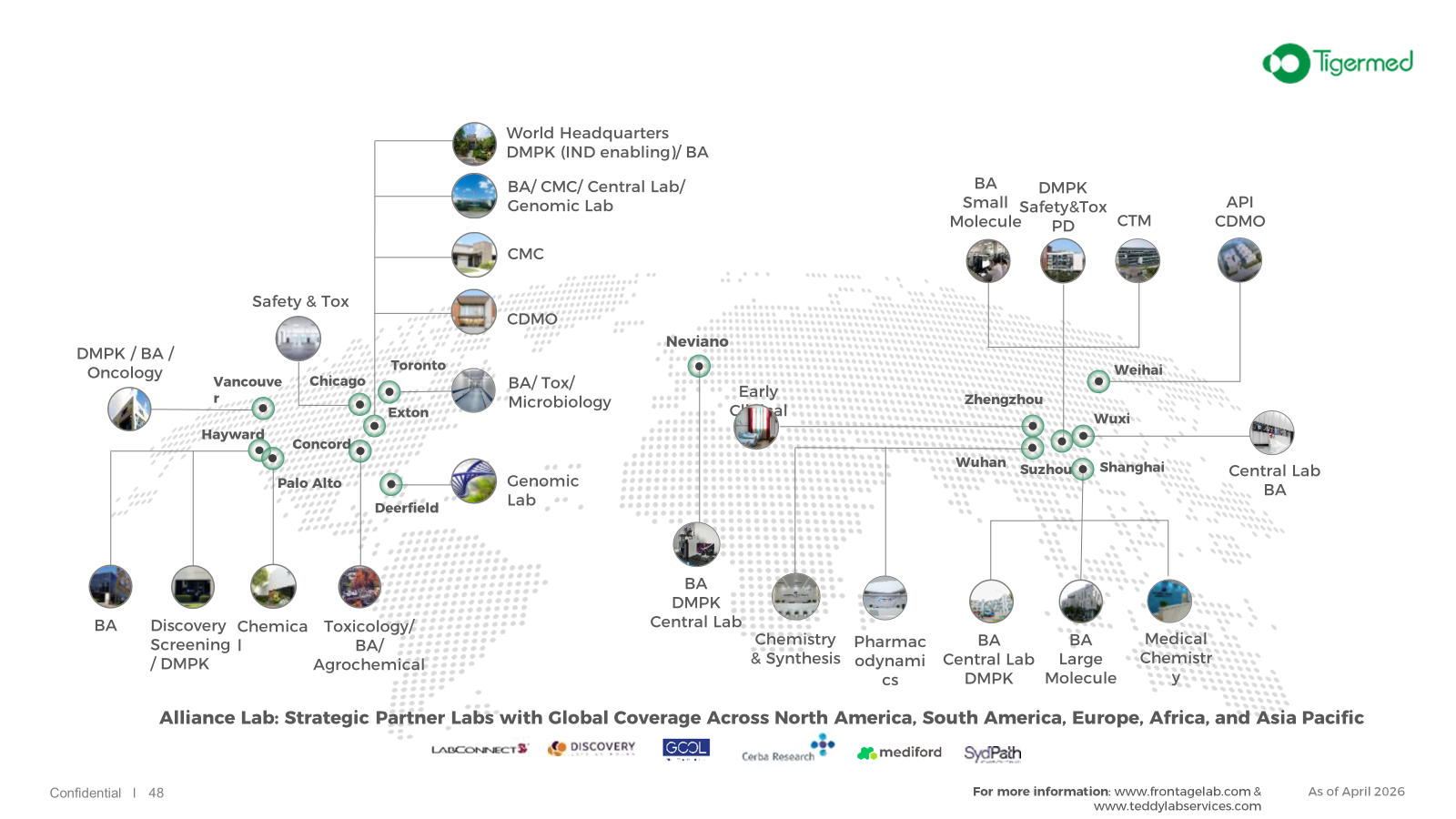
Tigermed incorporates immunology-related evaluations into its preclinical development capabilities, covering areas such as immune response assessment, biological characterization, and data analysis. Its approach considers how individual immunology studies contribute to broader development decisions.
By combining immunology testing with other preclinical activities, Tigermed helps researchers evaluate biologic candidates from both safety and efficacy perspectives before clinical investigation.
Immune Profiling Data Shapes Biologic Development Decisions
For biologics and immunotherapies, preclinical immune evaluation provides information that cannot be obtained from efficacy studies alone. Immunogenicity assessment helps identify potential anti-drug antibody risks, cytokine profiling reveals immune activation patterns, and immune cell characterization shows whether the intended biological pathways are being affected.
These findings can influence decisions before clinical trials, including candidate selection, dose planning, and safety monitoring strategies. The value of immunology testing lies in connecting immune responses with the expected behavior of a therapeutic candidate.
Tigermed integrates immunology evaluations into its preclinical development services, combining immune response analysis with broader nonclinical research activities. Through structured testing strategies, Tigermed helps researchers obtain clearer evidence about biologic safety and therapeutic potential before clinical studies begin.
