In hospital environments, identifying early signs of clinical deterioration can be the difference between routine care and urgent intervention. Rapid Response Teams (RRTs) are activated when patients exhibit critical changes in vital signs or other signs of concern. A reliable healthcare monitor system is essential in detecting these warning signs and ensuring that care teams have timely and accurate information. The integration of advanced monitoring into patient care pathways strengthens the ability of clinicians to recognize and respond to deterioration swiftly.
Continuous Monitoring and Early Detection
A hospital patient monitor continuously tracks vital signs such as heart rate, respiratory rate, blood pressure, and oxygen saturation. These parameters are often part of the criteria used to trigger RRT activation, with significant deviations prompting alerts for immediate clinician assessment. Research highlights that changes in vital signs like tachycardia, hypoxia, or hypotension are common triggers for calling a rapid response team. This underscores the importance of vigilant monitoring in ward and critical care settings. The continuous data a monitor provides bridges gaps between intermittent manual checks and real-time clinical decision-making, improving situational awareness across care teams.
Reducing Delay in Rapid Response Activation
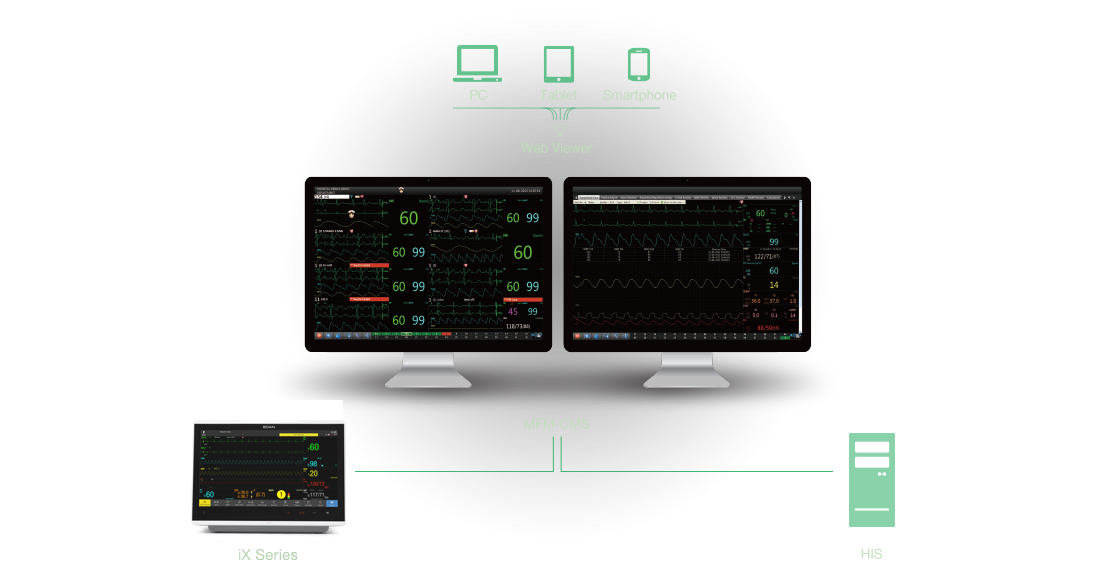
Advanced healthcare monitor solutions can be connected to hospital networks or electronic medical records (EMR). In some cases, monitoring systems trigger alerts automatically when predefined thresholds are exceeded, allowing for earlier activation of RRTs without waiting for manual observation or reporting. This type of integration helps care teams reduce response times and focus on interventions that stabilize patients and prevent further decline. By supplying reliable, continuous data, monitors help ensure that sudden deteriorations are not missed during routine rounds.
Supporting Clinical Workflow and Communication
Beyond detecting abnormalities, a hospital patient monitor enhances communication among care providers. Trend graphs and immediate alerts allow nurses, physicians, and allied health professionals to engage quickly with the relevant clinical situation. Whether in general wards or specialized units, centralized monitoring and alarm systems are vital in coordinating rapid responses to emergency events.
Conclusion
Effective RRT activation depends on accurate, continual insights into a patient’s condition. Healthcare monitor systems play a vital role in detecting physiological changes and prompting timely care team responses. For clinicians and hospital administrators seeking robust support in this area, the EDAN iX series delivers clear visualization and responsive performance that strengthens monitoring workflows. The EDAN iX series offers practical tools that help clinical teams act confidently and efficiently when rapid response activation is required.
