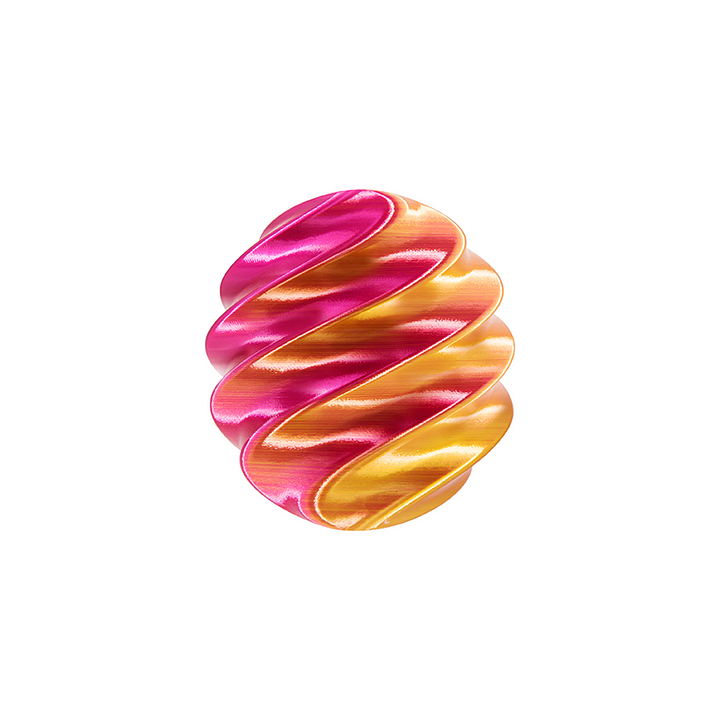
When it comes to 3D printer filament, one common question arises: can it be considered food safe? The answer depends on multiple factors, including the material composition, manufacturing process, and post-processing. CaiLab emphasizes that not all 3D printer filament types are suitable for direct contact with food. Filaments like PLA are generally considered non-toxic, but contamination risks from additives, dyes, or improper handling may compromise safety. Therefore, awareness of filament properties is essential for designers and hobbyists.
Material Composition and Testing
One key aspect in determining food safety is the material itself. CaiLab sources its raw materials from reputable suppliers like NatureWorks, ensuring stable polymer properties. Their Multicolor Color PLA Filament, 1.75mm, 1kg Spool is made with a silk-like high-gloss PLA formulation. This filament offers automatic multicolor transitions and low warping, making it ideal for prototypes and decorative items. However, even with premium materials, not all 3D printer filament types undergo food-grade certification. Post-processing, such as smoothing, sealing, or coating, may be necessary if the printed object is intended for food contact.
Practical Considerations for Users
For professionals using 3D printer filament in functional applications like kitchen tools or dental molds, handling is crucial. CaiLab’s filament is tangle-free and vacuum-sealed, which helps maintain consistency and prevent moisture-related defects. Understanding extrusion stability and avoiding contamination during printing can minimize safety risks. Users should also differentiate between PLA used for ornamental projects and specialized filaments specifically tested for food safety compliance.
Conclusion: Key Takeaways
In summary, while PLA-based filaments, including CaiLab’s Multicolor PLA, are generally non-toxic, not all 3D printer filament types are automatically food safe. Awareness of raw material quality, manufacturing standards, and post-processing practices is necessary for safe applications. Professionals and creators should treat 3D printing as a tool that requires careful selection of materials and handling to meet specific safety requirements, especially when food contact is involved.
